DevOps Explained: A Practical Guide for Modern IT
DevOps is a modern way of building, testing, and delivering software faster with fewer errors. It connects teams, tools, and workflows into one smooth process. Because businesses now rely on digital platforms, this approach has become essential for staying competitive.
At the same time, companies must manage cloud systems, microservices, and security. Therefore, this delivery model helps align people, processes, and tools so applications move from idea to production without delays.
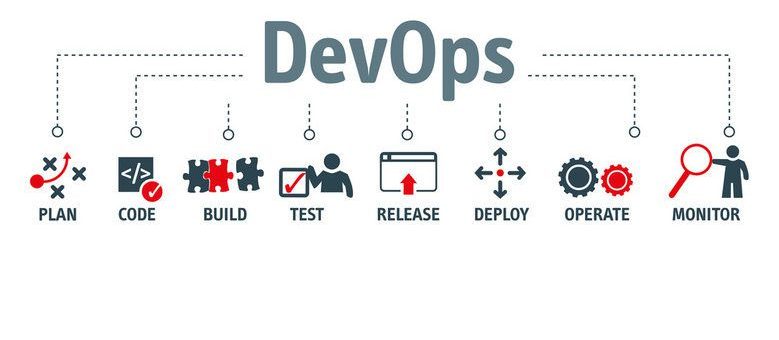
What DevOps Really Means
DevOps blends software development with IT operations. Patrick Debois first introduced the concept in 2009 to fix a growing problem. While developers used agile methods, operations teams followed slower release cycles. Because of this gap, projects often faced delays and failures.
This approach changed everything by connecting planning, coding, testing, deployment, and monitoring into one continuous flow. As a result, teams release updates more often and with less risk.
Major tech firms like Google and Amazon have proven that this way of working improves release speed and system stability, based on research from Google’s DevOps Research and Assessment team.
Why Agile Alone Was Not Enough
Agile helped teams build software faster. However, delivery still slowed down when applications moved to operations. A modern delivery model solved this by extending agile practices into deployment and support.
Instead of handing off code at the end, teams now work together from start to finish. Consequently, problems appear earlier, and releases become more reliable. Automated testing and CI/CD pipelines also prevent last-minute surprises.
This connected workflow supports microservices, container platforms, and cloud-native applications.
How DevOps Changes Team Culture
DevOps is not just about tools. It also changes how people think and collaborate. Since change can be difficult, leaders must clearly explain why this shift matters.
Users now expect fast, secure, and stable digital services. Without the right culture, even the best platforms fail. This model encourages shared responsibility, open communication, and continuous improvement. As a result, teams solve issues together instead of working in silos.
ZippyOPS supports this transition through consulting, implementation, and managed services that align technology with business goals.
Modern Practices That Build Strong Teams
A successful delivery model depends on cross-functional teams. Developers, QA engineers, and operations staff work as one group. Therefore, everyone understands how their actions affect the full delivery pipeline.
Automation also plays a major role. CI/CD, infrastructure as code, and automated testing reduce manual errors. In addition, AIOps helps detect and resolve issues before users are impacted.
ZippyOPS applies these methods across DevSecOps, DataOps, and MLOps while managing cloud platforms, microservices, and security as one connected workflow.
Explore more at:
https://zippyops.com/services/
https://zippyops.com/solutions/
https://zippyops.com/products/
The Role of DevOps in Modern Enterprise IT
Enterprise IT has become more complex. Most companies now use multiple clouds, data platforms, and security layers. Because of this, a continuous delivery approach is no longer optional.
By combining automation, collaboration, and real-time feedback, DevOps helps teams manage growing complexity. It also supports modern workloads such as AI, big data, and distributed systems.
ZippyOPS shares real-world cloud and DevOps insights through technical videos here:
https://www.youtube.com/@zippyops8329
Final Thoughts
DevOps connects people, tools, and processes into one reliable delivery system. It removes bottlenecks, improves quality, and supports cloud-based applications. Therefore, organizations that adopt it achieve faster releases and stronger digital platforms.
If you want to move from theory to real implementation, ZippyOPS can support your journey through consulting, automation, and managed services across cloud, data, and security.
Contact: sales@zippyops.com