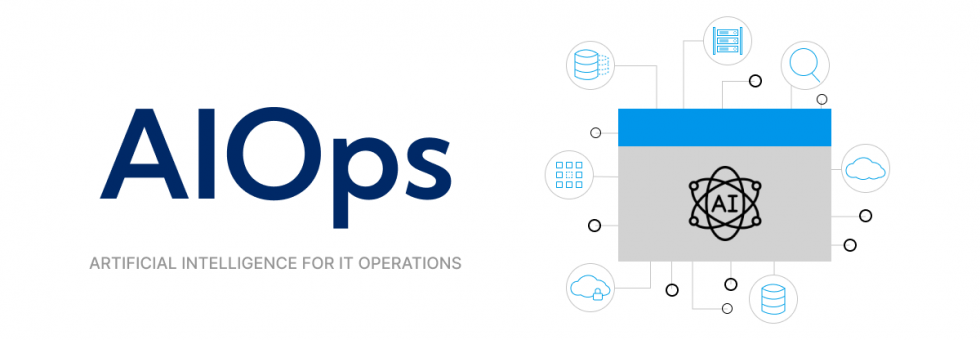
AIOps is the use of artificial intelligence and machine learning to improve IT operations. It helps teams manage complex, fast-changing environments that include cloud, hybrid, and distributed systems.
Today’s IT landscapes generate massive volumes of data. Because of this, traditional monitoring tools often fail to keep up. It solves this problem by analyzing logs, metrics, events, and traces in real time. As a result, IT Ops and DevOps teams can detect issues earlier and resolve them faster.
Moreover, it reduces noise and highlights what truly matters. This approach helps teams avoid outages, protect uptime, and maintain consistent digital service performance.
Why AIOps Matters in Modern IT Operations
IT now sits at the center of digital transformation. At the same time, systems are becoming more dynamic and interconnected. Therefore, operations teams need smarter ways to manage risk and performance.
It enables organizations to operate at business speed. Instead of reacting to alerts, teams gain predictive insights. Consequently, they can fix problems before users or customers notice them.
In addition, it supports continuous service assurance. This capability is critical for industries that rely on always-on applications and platforms.
An AIOps Platform Built for Today and Tomorrow
You cannot manage modern IT environments with outdated tools. While legacy systems depend on static rules, today’s infrastructure changes constantly.
As infrastructure shifts from physical servers to software-defined and cloud-native resources, operations must evolve too. Therefore, AI Ops platforms use adaptive models that learn from data as environments change.
Because of this flexibility, AI Ops remains effective even as architectures grow more complex.
The Three Layers of Complexity AIOps Solves
Systems Complexity
Modern systems are modular, distributed, and highly dynamic. Containers, microservices, and ephemeral workloads appear and disappear quickly. As a result, manual tracking becomes nearly impossible.
AI Ops provides visibility across these changing components. It correlates behavior across services and infrastructure, even when components are short-lived.
Data Complexity Managed
IT systems generate logs, metrics, traces, and events at enormous scale. However, this data is often noisy, redundant, and difficult to interpret.
AIOps platforms analyze high-volume data streams continuously. For example, they identify patterns, detect anomalies, and surface meaningful insights. Consequently, teams spend less time searching for root causes.
Tool Sprawl Reduced Through AIOps
Most organizations rely on many monitoring and management tools. Unfortunately, these tools rarely integrate well. Because of this, operational silos form.
It helps unify data from multiple sources. It correlates signals across tools, which improves context and decision-making. As a result, teams gain a single operational view instead of fragmented dashboards.
How AIOps Works in Practice
AIOps combines machine learning, analytics, and automation to improve operational outcomes. Instead of relying on predefined rules, it learns from historical and real-time data.
According to Gartner, AIOps platforms enable proactive IT operations by detecting issues that humans or rule-based tools may miss. This insight explains why its adoption continues to grow across enterprises
(see Gartner’s overview on AIOps for IT operations).
Because AIOps adapts over time, it can identify new and unforeseen problems. Therefore, it supports both stability and innovation.
AIOps and ZippyOPS: Turning Insight into Action
Implementing is not just about tools. It also requires the right strategy, integration, and operational maturity. This is where ZippyOPS adds value.
ZippyOPS provides consulting, implementation, and managed services across DevOps, DevSecOps, DataOps, Cloud, Automated Ops, AIOps, and MLOps. By combining AIOps with deep expertise in microservices, infrastructure, and security, ZippyOPS helps organizations move from alert-driven operations to intelligence-driven outcomes.
Through tailored solutions available at
https://zippyops.com/services/ and https://zippyops.com/solutions/, teams can integrate AIOps into real-world environments. In addition, ZippyOPS products at https://zippyops.com/products/ accelerate adoption and reduce operational friction.
For practical insights, tutorials, and demonstrations, ZippyOPS also shares knowledge on its YouTube channel:
https://www.youtube.com/@zippyops8329
Key Benefits
- Faster incident detection and resolution
- Reduced alert noise and manual effort
- Improved uptime and service reliability
- Better collaboration between DevOps and IT Ops
- Scalable operations for cloud and hybrid environments
Because of these benefits, AIOps has become a core capability for modern enterprises.
Conclusion
In summary, AIOps helps organizations manage complexity, reduce risk, and maintain service quality. It replaces reactive firefighting with proactive operations.
As IT environments continue to evolve, it will play a critical role in sustaining performance and reliability. With the right partner, organizations can turn it into insights into real business outcomes.
To explore how AIOps fits into your DevOps, Cloud, and Security strategy, reach out to ZippyOPS at:
sales@zippyops.com