The Ultimate Guide to DevOps Toolchain: Benefits & Implementation
In today’s fast-paced digital world, businesses need to adapt quickly to remain competitive. A key enabler of this agility is the DevOps toolchain, which automates and orchestrates various DevOps processes to deliver software at speed and high quality. But what exactly is a DevOps toolchain, and why is it crucial for businesses? Let’s dive deeper.
What is a DevOps Toolchain?
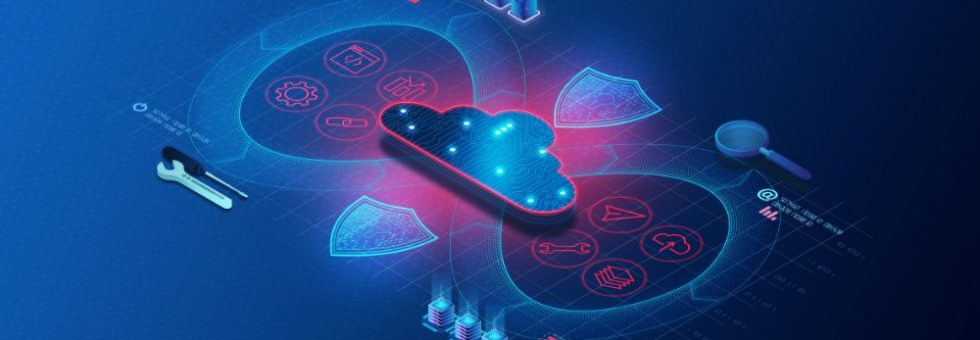
A DevOps toolchain refers to a set of integrated tools designed to automate the various stages of the software development lifecycle (SDLC). From designing and building to testing, deploying, and managing software applications, these tools ensure that DevOps principles like continuous integration, continuous delivery, and automation are efficiently implemented. The toolchain facilitates smooth collaboration between development, operations, and security teams, ensuring faster product delivery and improved workflow.
Why is a DevOps Toolchain Essential?
In the modern business landscape, speed is critical. Software delivery cycles that once took months are now reduced to weeks or even days. However, achieving this speed is not easy. It requires DevOps teams to work in a collaborative and automated environment. This is where a well-structured DevOps toolchain comes into play.
Without a comprehensive toolchain, automating all phases of the software development lifecycle is nearly impossible. A DevOps toolchain ensures that every aspect of the development and deployment process is streamlined, from coding to testing, monitoring, and incident management. As a result, teams can deliver software faster, with fewer errors, and greater efficiency.
Key Benefits of a DevOps Toolchain
1) Faster and More Efficient Deployments
DevOps teams face the challenge of continuously delivering updates. With a robust DevOps toolchain, teams can automate repetitive tasks across the SDLC, accelerating the deployment process. This integration allows companies to deploy updates multiple times a day instead of the traditional weekly releases. With tools integrated at every stage, deployments can occur in hours, not days, improving the speed and quality of product delivery.
2) Optimized Incident Management
Incident management is an essential aspect of any DevOps operation. The speed at which incidents are identified and resolved can make or break business continuity. DevOps toolchains help automate the initial response process to incidents, allowing teams to resolve issues faster and reduce downtime. By capturing and analyzing data from all impacted systems, the toolchain helps create detailed incident reports and streamline the resolution process.
3) Improved Software Quality
Software defects can delay the development cycle, often causing significant setbacks. The ability to quickly identify and address these defects is critical. With a DevOps toolchain, teams can proactively detect issues early in the development cycle, prioritize their resolution, and deploy fixes faster. This significantly improves software quality and reduces the risk of bugs and errors during production.
4) Seamless Workflow Automation
Managing workflows is a vital aspect of any DevOps operation. Tools in a DevOps toolchain help automate the collection and analysis of real-time business data, allowing teams to access valuable insights as needed. Whether it’s capturing data on development processes or monitoring operational performance, the automation of these workflows ensures that teams can make data-driven decisions faster and more accurately.
5) Enhanced Security
Security is a top priority for businesses, yet many struggle with defining clear responsibilities for securing their applications. Miscommunication can lead to breaches and data vulnerabilities. A DevOps toolchain ensures that security is integrated into every phase of the SDLC. From continuous monitoring and compliance checks to data encryption and incident response, the toolchain centralizes security tasks, making it easier for teams to maintain a secure development environment.
Why Choose ZippyOPS for Your DevOps Needs?
At ZippyOPS, we specialize in providing consulting, implementation, and managed services across a range of DevOps-related areas, including DevOps, DevSecOps, DataOps, Cloud, Automated Ops, AIOps, MLOps, and Microservices. Our expert team can help you implement a DevOps toolchain that optimizes your software development process, from building to deployment and beyond.
We offer end-to-end support in infrastructure management, security, and continuous integration, ensuring that your DevOps workflows are seamless and effective. Whether you’re looking to implement a new DevOps strategy or streamline your existing one, we’ve got you covered.
Explore our services, learn about our solutions, or check out our products to get started. You can also find helpful resources on our YouTube channel.
If you’re ready to take your DevOps to the next level, reach out to us at sales@zippyops.com.
Conclusion
The DevOps toolchain is an essential part of modern software development. By automating tasks, improving collaboration, and integrating security, it helps businesses deliver high-quality products faster and more efficiently. Whether you’re just starting with DevOps or looking to optimize your existing processes, implementing a DevOps toolchain is crucial for staying competitive in today’s fast-moving digital landscape.