DevSecOps: Essential Practices for Secure Application Development
In today’s fast-paced world, organizations are focused on accelerating application development to release new software quickly. However, this often comes at the expense of security. DevSecOps (Development, Security, and Operations) bridges the gap between the rapid pace of DevOps and the critical need for security, ensuring that both speed and protection go hand in hand.
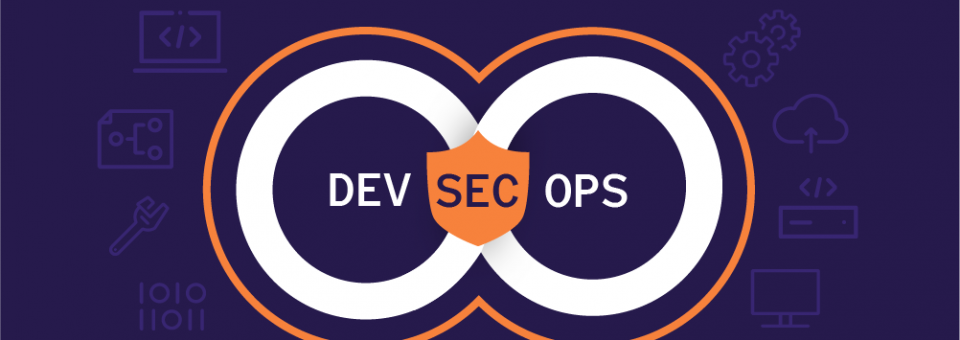
Why Learn DevSecOps?
You might wonder, “Why should I learn about DevSecOps if I’m not a software developer?” The answer is simple: integrating security into the development process is crucial for your organization’s success. Without a strong security foundation, your company could face data breaches, financial loss, and damage to its reputation. By embracing DevSecOps practices, even non-developers can help promote security within their business operations.
Historically, developers focused on launching applications quickly. If security flaws were discovered late in the process, it often meant rewriting large chunks of code—a costly and time-consuming endeavor. This introduces key metrics and methodologies that seamlessly integrate security into every stage of the software development lifecycle (SDLC).
The Importance of DevSecOps for Your Business
The rise of DevSecOps reflects the evolving need for secure software delivery. According to DevOps expert Barbara Ericson from Cloud Defense, DevOps traditionally focused on delivering software faster by reducing failure rates. However, DevSecOps adds a vital layer: security. In this approach, security is not an afterthought but an integral part of the development process.
Before the advent of DevSecOps, security was often addressed only at the end of the development cycle. Today, treating security as a priority throughout the process ensures that vulnerabilities are identified and resolved early, reducing costs and delays while improving overall security.
Cybercrime is on the rise, and a recent study found that 60% of UK businesses faced a cyberattack by the end of 2020. As digital infrastructure expands, the risk of data breaches increases. Therefore, integrating DevSecOps into your business operations is essential for minimizing risks and ensuring the integrity of your software.
DevSecOps vs. DevOps: Key Differences
Although DevSecOps and DevOps share many similarities, they differ in one critical aspect: security. Both methodologies prioritize teamwork, collaboration, and agility, using automation to speed up the development process. However, DevSecOps integrates security measures directly into every phase of the software development pipeline, from coding to deployment.
In contrast, traditional DevOps often overlooked security until later in the cycle, creating bottlenecks that slowed down the release of secure software. DevSecOps addresses these security issues early on, ensuring that code vulnerabilities are fixed before they can be exploited.
Building a Secure Pipeline
A pipeline is a series of integrated security practices and tools that ensure secure software delivery. By incorporating security into every phase of the SDLC, teams can detect vulnerabilities early, improve response times, and enhance overall agility. Key stages of a DevSecOps pipeline include:
- Threat Modeling: Teams brainstorm potential attack scenarios and identify sensitive data that could be affected.
- Scanning: Automated and manual code scans identify common vulnerabilities.
- Analysis: Security risks are prioritized based on severity and likelihood.
- Remediation: Developers implement fixes for identified vulnerabilities.
- Monitoring: The software is continuously assessed for emerging security issues.
DevSecOps ensures that security concerns are addressed at every step, creating a more secure and efficient development process.
Essential Tools for Secure Development
There are several tools that can help teams implement DevSecOps practices effectively:
- SAST Tools: Static Application Security Testing (SAST) tools automate the process of scanning code for vulnerabilities, helping teams identify security risks early. These tools provide real-time feedback, allowing developers to fix vulnerabilities before they become a problem.
- DAST Tools: Dynamic Application Security Testing (DAST) tools take a “black box” approach to testing applications, simulating real-world attacks to identify vulnerabilities in live systems.
- Container Scanning: Container scanning tools check the security of containerized applications, ensuring they are free from known vulnerabilities.
By using these tools, development teams can ensure that their code is secure, scalable, and free from potential vulnerabilities.
The Role of ZippyOPS
At ZippyOPS, we offer a comprehensive range of DevSecOps services, including consulting, implementation, and managed services. Whether you need help with DevOps, DevSecOps, Cloud infrastructure, MLOps, or AIOps, our experts are here to guide you through the entire process.
We understand the critical need for secure, efficient software development. With our expertise, you can integrate security, microservices, and automated ops seamlessly into your development pipeline. We help you build and deploy software faster while maintaining the highest security standards.
Discover more about our services at ZippyOPS Services and ZippyOPS Solutions.
For a deeper dive, check out our ZippyOPS Products or explore our YouTube Channel for tutorials and demos.
Conclusion
In an increasingly connected world, the need for secure software is more critical than ever. By adopting DevSecOps practices, you ensure that security is a top priority throughout the development lifecycle. With the right tools, strategies, and expert guidance, your team can build secure, high-quality software quickly and efficiently.
To explore how ZippyOPS can help integrate into your organization, contact us at sales@zippyops.com.