4 Key Elements to Get DevOps Right in Your Organization
Implementing DevOps is no longer just a trend; it’s a vital practice for enhancing organizational efficiency and delivering business value. Yet, despite widespread adoption, many companies struggle to reap the full benefits. If you’re among those facing challenges, it’s crucial to focus on the right elements that drive success. In this post, we’ll discuss the four key components that can make or break your strategy.
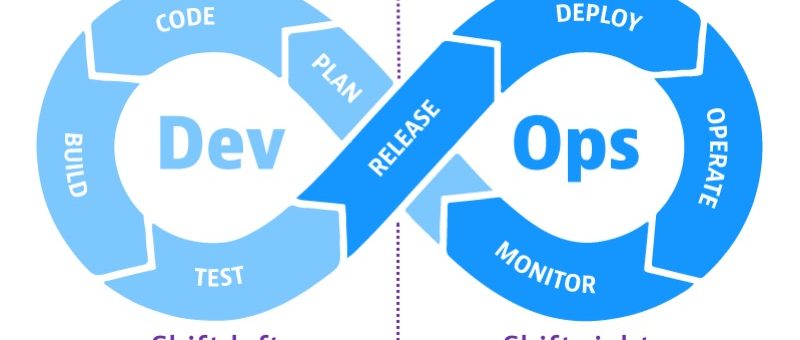
1. Leadership: The Foundation of DevOps Success
Leadership is often seen as the most essential ingredient for any organizational change, and DevOps is no exception. As leadership expert John C. Maxwell states, “Everything rises and falls on leadership.” The effectiveness of hinges largely on the leaders driving the transformation.
Leaders must inspire their teams and foster a culture where principles can thrive. It’s not enough for teams to adopt the “DevOps model”; they must buy into the vision, and that begins with trust in leadership. People are more likely to follow a leader who values them, communicates a clear vision, and leads with patience.
Key Leadership Traits
- Influence: As Maxwell emphasizes, leadership is about influence. A DevOps leader must be able to inspire change across all levels.
- People-Centric Approach: Leadership isn’t about privilege or title. It’s about understanding and valuing people.
- Vision: Successful leaders are visionaries who look beyond the present and inspire the future.
- Patience: DevOps transformation takes time. Leaders must manage uncertainty and lead their teams through challenges.
2. Organizational Structure: Avoiding Silos
While functional organizational structures often have clear roles and responsibilities, they can also create silos that inhibit effective collaboration. In the case of DevOps, siloed teams lead to a lack of coordination, making it harder to deliver value to the customer.
Why Siloed Structures Don’t Work
A traditional structure can cause problems by isolating DevOps from other teams like infrastructure, operations, and tooling. This separation leads to a lack of synergy, confusion about value, and a missed opportunity to optimize the end-to-end process.
Recommendations:
- Cross-Functional Teams: DevOps should be a cross-functional, permanent team within the organization. It must include representatives from engineering, infrastructure, operations, and business units to drive collaboration.
- Appoint a Product Owner: A dedicated product owner can help prioritize DevOps initiatives and bridge gaps between different departments.
- Leadership Engagement: The organization’s top leadership, such as the CIO, must be directly involved in driving the DevOps transformation.
3. Value Stream Mapping (VSM): Visualizing the Path to Value
Value stream mapping (VSM) helps organizations visualize the flow of value and identify bottlenecks in their processes. It’s a powerful tool to measure the effectiveness of practices and ensure that every step in the development lifecycle contributes to business value.
How VSM Improves DevOps
VSM provides visibility into the entire value stream, allowing organizations to pinpoint inefficiencies, bottlenecks, and waste. By mapping out the current process, you can identify areas to optimize and focus on the most critical elements that deliver value to the customer.
Simple Steps to Implement VSM:
- Map the As-Is DevOps Stream: Identify the current flow of activities and the key stakeholders involved.
- Identify Waste: Look for activities that don’t add value.
- Build the To-Be DevOps Stream: Design the ideal workflow that minimizes waste and maximizes efficiency.
- Communicate the Change: Ensure all stakeholders are aligned and informed.
By incorporating VSM, your organization gains clarity, enhances transparency, and fosters continuous improvement in the delivery pipeline.
4. Pulse-Check: Regularly Assessing DevOps Progress
A pulse-check is an ongoing evaluation to gauge how well your practices are being adopted and how they’re performing. It’s essential to measure the pulse of your organization to understand potential roadblocks and areas for improvement.
Key Areas to Monitor:
- Perception: How do team members feel about DevOps? Are they on board with the transformation?
- Champions and Roadblocks: Identify who is leading the charge and who may be resisting change.
- Tool Utilization: Are your tools effective, or are they causing more friction?
- Feedback Loops: Do you have regular feedback sessions to measure progress and adjust your strategy?
A pulse-check gives you real-time insights, ensuring that your transformation stays on track.
Conclusion
Starting a journey can be challenging, but with the right focus, leadership, and structure, it’s entirely possible to drive meaningful business outcomes. By addressing leadership, organizational structure, value stream mapping, and pulse-checking, your organization can unlock the true potential of DevOps.
If you’re looking to accelerate your transformation and enhance your infrastructure with industry-leading expertise, ZippyOPS provides comprehensive consulting, implementation, and managed services. Our solutions in DevOps, DevSecOps, Cloud, Microservices, Infrastructure, and Security can help guide your journey.
Explore our services and solutions to learn how we can assist you in achieving your goals. You can also check out our products for more innovative tools and resources. For more insights and demos, visit our YouTube channel.
For a personalized consultation, reach out to us at sales@zippyops.com.