Understanding DevSecOps and Top Automation Tools for CI Pipelines
In today’s fast-paced development world, the need for speed and security often collide. DevSecOps is a solution to this challenge, embedding security measures into every stage of the software development lifecycle. In this article, we will explore what DevSecOps is, how it differs from traditional DevOps, and discuss the top automation tools that make security integration in CI pipelines seamless.
What Is DevSecOps?
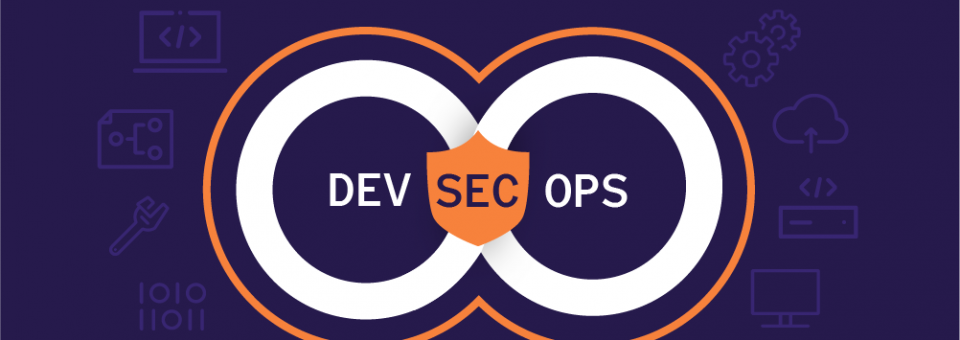
DevSecOps, short for Development, Security, and Operations, is a methodology that integrates security practices throughout the entire software development lifecycle. Unlike traditional security approaches that focus on post-development security checks, DevSecOps ensures that security is considered from the very beginning of the development process. This proactive approach helps to catch vulnerabilities earlier, making them easier and cheaper to fix.
The main advantage of DevSecOps is that it moves away from a siloed security team and instead empowers every member of the development and operations teams to be accountable for security. This creates a more collaborative environment, where security is an integral part of the development process, rather than a bottleneck that slows down release cycles.
In addition to fostering a culture of shared responsibility, DevSecOps enables teams to deliver software at speed without sacrificing security, which is critical for businesses that rely on fast iteration cycles.
DevSecOps vs DevOps: What’s the Difference?
DevOps focuses on improving collaboration between development and IT operations teams, promoting continuous integration and delivery (CI/CD). The main goal of DevOps is to accelerate the delivery of applications, which is achieved through automation and collaboration.
On the other hand, DevSecOps takes this a step further by integrating security into the DevOps workflow. Security checks and practices are automated and embedded into every stage of the development pipeline. This shift-left approach means that security issues are caught and addressed much earlier, reducing the risk of vulnerabilities reaching production.
While DevOps focuses on speed, DevSecOps ensures that security is not compromised in the quest for faster delivery. With DevSecOps, teams can achieve both fast delivery and robust security measures.
Why DevSecOps Is Essential for Modern Development
As the number of cyberattacks and data breaches continues to rise, ensuring that applications are secure from the outset is more important than ever. DevSecOps allows teams to incorporate security measures in a streamlined, automated manner. This helps avoid the delays that come with traditional security testing and remediation processes.
The key benefits of adopting DevSecOps include:
- Faster and Safer Software Delivery: By incorporating security at every stage, teams can release software quickly without compromising security.
- Reduced Costs: Fixing vulnerabilities early is far cheaper than addressing them after deployment.
- Improved Collaboration: Security becomes a shared responsibility, enhancing collaboration between development, operations, and security teams.
- Faster Recovery from Failures: DevSecOps allows teams to respond to vulnerabilities faster, reducing the impact of security incidents.
Top 5 DevSecOps Automation Tools for CI Pipelines
Automation is at the core of DevSecOps. Tools that automate security checks and processes across various stages of development are critical in maintaining fast delivery without compromising security. Below are some of the most widely used DevSecOps tools that automate security in CI pipelines.
1. Trivy: Container Vulnerability Scanning
Trivy is an open-source container vulnerability scanner designed to identify security issues in container images. It works with trusted vulnerability databases and performs quick scans to detect known vulnerabilities. Trivy is highly accurate and integrates seamlessly with popular CI tools like GitLabCI, Jenkins, and CircleCI.
By using Trivy, developers can catch security flaws early in the development process, ensuring that their containerized applications are secure before deployment.
2. Gerrit: Code Review Tool
Gerrit is a web-based code review tool that helps teams manage changes to source code. It allows developers to review code, check for vulnerabilities, and leave comments directly on the code. Gerrit’s plugin system makes it highly customizable, enabling teams to integrate it with other DevSecOps tools to enhance their workflow.
This tool ensures that security and quality checks are performed before code is merged, reducing the likelihood of vulnerabilities being introduced into the codebase.
3. OWASP Dependency-Check: Build Composition Analysis
OWASP Dependency-Check is an open-source tool that helps developers identify vulnerabilities in third-party libraries and dependencies. Since many applications rely on open-source libraries, this tool ensures that these dependencies are free from known security risks.
By scanning dependencies at the build stage, OWASP Dependency-Check helps developers stay on top of the latest security threats associated with third-party software.
4. Arachni: Web Application Testing
Arachni is a powerful open-source web application security scanner designed to find vulnerabilities in web applications. It performs in-depth tests such as SQL injection, cross-site scripting (XSS), and authentication flaws. Arachni is easily integrated into CI/CD pipelines and offers quick scanning through a command-line interface.
This tool is essential for testing web applications in a live environment and helps developers ensure that their applications are secure before going into production.
5. Falco: Runtime Security Monitoring
Falco is a runtime security monitoring tool designed to detect security breaches and anomalies in production environments. It continuously monitors system calls, ensuring that applications behave as expected in live environments. If an abnormal activity or security violation is detected, Falco generates an alert.
Falco is particularly useful in identifying security issues that may not be evident during the development or testing stages, providing an additional layer of protection in production.
How ZippyOPS Can Help
At ZippyOPS, we specialize in providing consulting, implementation, and managed services for DevSecOps, Cloud, Automated Operations, Microservices, Infrastructure, and Security. Our team can help streamline your DevSecOps practices, ensuring that your software development process is both fast and secure.
We offer a range of services and solutions to support your DevSecOps journey, including:
- DevOps & DevSecOps Consulting: Tailored solutions to integrate security into your CI/CD pipeline.
- Cloud Infrastructure Management: Helping you secure your cloud environments while maintaining operational efficiency.
- Automated Operations: Implementing automation to reduce manual interventions and improve security.
- Security and Compliance: Ensuring your applications meet security standards throughout the development cycle.
Explore our services, products, and solutions on our website:
For more details, check out our YouTube channel for demo videos and in-depth tutorials.
Conclusion: The Future of Secure Software Delivery
Incorporating security at every stage of the development process is no longer optional—it’s a necessity. DevSecOps ensures that security practices are woven into the fabric of your development cycle, enabling you to deliver secure applications at speed. With the right tools and methodologies, you can automate security, reduce risks, and improve collaboration across your team.
For businesses looking to implement DevSecOps practices, ZippyOPS offers expert consulting and implementation services to ensure your development pipeline is both fast and secure. Reach out to us at sales@zippyops.com to learn how we can help.