How to Successfully DataOps Implementation in Your Organization
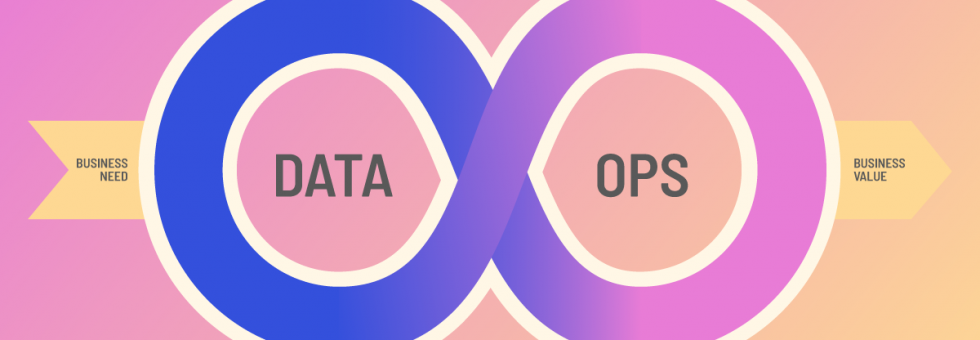
In today’s fast-paced data-driven world, organizations must continuously evolve their operations to remain competitive. One such evolution is the shift from traditional DevOps to DataOps. DataOps, a data management framework that focuses on improving communication, integration, and automation across data teams, is crucial for modern businesses. If your organization is aiming to scale effectively, DataOps implementation is a strategic move.
In this blog, we’ll explore the key steps necessary for a successful DataOps implementation, ensuring that your data flow is efficient, scalable, and high-quality.
1. Defining the DataOps Culture
A crucial aspect of DataOps implementation is creating the right culture within your organization. DataOps requires collaboration across multiple teams, including developers, business users, data stewards, and operations.
To successfully integrate DataOps into your organization’s culture, break down silos and encourage cross-functional teamwork. This can be done by:
- Ensuring development teams understand their role in maintaining data quality in production environments.
- Encouraging business users to take responsibility for data transformation requirements early in the process.
By fostering a culture of shared responsibility, you ensure that all stakeholders are aligned and contribute from the outset of each project.
2. Streamlining Data Orchestration
Organizations today generate petabytes of data, which need to be processed efficiently. Manual data management is not only time-consuming but also prone to errors, which can lead to stale data and lost productivity.
Data orchestration solves this problem by automating the scheduling and execution of data processes. A solid data orchestration system must include:
- Scalability to handle massive data flows.
- Intuitive visualization of data pipelines for easy tracking.
- Reusable components that save time during development.
- Support for various pipeline triggers to ensure smooth operation.
Automating these processes frees up data engineers to focus on more strategic tasks, ultimately driving better performance and reliability.
3. Implementing Robust Data Monitoring
Data monitoring is the first step toward ensuring high data quality. By continuously monitoring your data flows, you can detect anomalies and prevent issues from escalating.
To implement effective data monitoring, track key metrics like:
- The number of records processed.
- The range of numeric values and date columns.
- The size of text data and the presence of empty values.
With these metrics, you can calculate statistics such as mean, median, and standard deviation, helping identify discrepancies or irregularities. A team of data analysts can further leverage this information to validate hypotheses and ensure data integrity.
4. Ensuring Data Quality
The ultimate goal of DataOps is to deliver clean, reliable data. Data quality checks are essential in preventing data corruption within your pipeline. There are two primary methods for maintaining high data quality:
- Business rules: These are predefined tests that run continuously to ensure that the data meets required standards. Business rules are crucial for maintaining data integrity and should be implemented rigorously.
- Anomaly detection: By adjusting the thresholds between precision and recall, anomaly detection can help identify and rectify issues in real-time.
Implementing these techniques ensures that your data pipeline remains reliable, minimizing errors and improving overall productivity.
5. Leveraging Automation Tools for DataOps Implementation
Achieving continuous integration, testing, and monitoring in DataOps is virtually impossible without automation tools. These tools help streamline operations and improve efficiency across the board. Key tools for DataOps include:
- Version control software (e.g., Git) for managing code changes.
- QA automation tools (e.g., Selenium) for testing data integrity.
- CI/CD software (e.g., Jenkins) to automate the deployment process.
- Issue tracking software (e.g., Jira) to manage project workflows.
- Data cataloging and lineage tools (e.g., Google Cloud, Azure) to track data movement and transformations.
Automating these processes significantly reduces manual errors and accelerates time-to-market, making it easier to manage complex data environments.
Conclusion: Scaling Your Organization with DataOps Implementation
DataOps is a critical methodology for businesses aiming to enhance data management and drive operational efficiency. To successfully implement DataOps, organizations must focus on culture, effective orchestration, robust monitoring, data quality, and the right automation tools.
By taking these steps, you can transform your data operations into a more agile, scalable, and high-performing system. As a result, your organization will be better equipped to handle the increasing complexity of modern data environments.
If you’re looking for guidance on implementing DataOps in your organization, ZippyOPS provides consulting, implementation, and managed services tailored to your needs. Whether you’re focusing on DevOps, DevSecOps, DataOps, or AIOps, our expert team can help streamline your processes. Contact us today at sales@zippyops.com for more information.