DataOps vs DevOps: Key Differences You Should Know
In today’s fast-paced digital world, understanding DataOps vs DevOps is essential for any organization striving to be data-driven. While these methodologies share some principles, they serve different purposes and focus on distinct areas of IT and data management. At the same time, the growing importance of security has led to the rise of DataSecOps, which integrates cybersecurity directly into data operations.
This article explores the differences between DataOps, DevOps, and DataSecOps, highlighting how modern businesses can leverage them to improve efficiency, agility, and security.
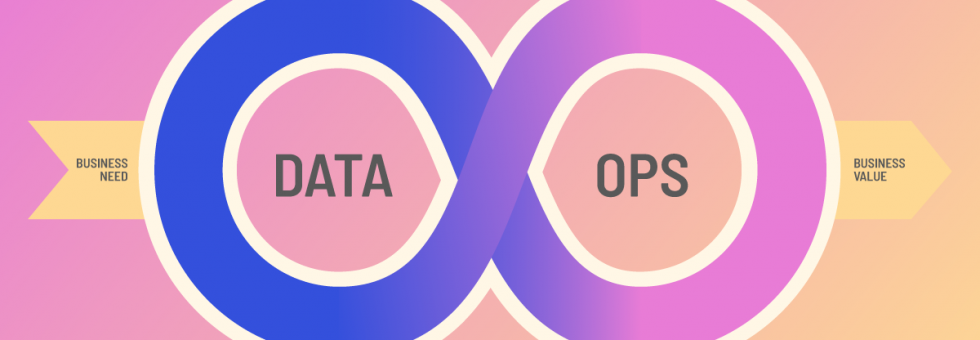
What Is DataOps?
DataOps is a process-oriented methodology designed to improve the quality and speed of data analytics. First introduced by Lenny Liebmann in 2014, DataOps focuses on unifying data engineering, operations, and analytics teams to deliver faster, more reliable data insights.
In essence, DataOps ensures that organizations can process and analyze data efficiently, producing actionable results for decision-making. Because of this, businesses can leverage high-quality data to create innovative solutions and improve customer experiences.
Why DataOps Matters for Modern Organizations
Organizations that rely heavily on data face constant pressure to reduce the time it takes to generate insights. DataOps addresses this challenge by streamlining the entire data pipeline, from acquisition to analysis. Key benefits include:
- Faster and more reliable insights
- Increased productivity and operational efficiency
- Reduced costs across analytics projects
Moreover, DataOps promotes collaboration among data scientists, engineers, and analysts. By identifying potential issues early, teams can avoid downstream problems while continuously improving reports, dashboards, and data models.
ZippyOPS provides consulting, implementation, and managed services to help companies establish effective DataOps pipelines. Their expertise spans DevOps, DevSecOps, DataOps, Cloud, Automated Ops, AIOps, MLOps, Microservices, Infrastructure, and Security, ensuring organizations achieve measurable results. You can explore their services and solutions for tailored support.
DataOps vs DevOps: Key Differences
Although both DataOps vs DevOps rely on agile methodologies, they differ in focus and scope.
| Aspect | DevOps | DataOps |
|---|---|---|
| Primary Focus | Software development and deployment | Data lifecycle management and analytics delivery |
| Scope | Application layer | Entire data pipeline, from acquisition to consumption |
| Collaboration | Dev & operations teams | All data stakeholders (analysts, engineers, scientists) |
| Orchestration | Minimal | Continuous orchestration of data flows (ETL/ELT) |
| Tools | Mature CI/CD frameworks | Emerging tools, often requiring custom automation |
While DevOps laid the foundation for agile operations, DataOps extends these principles to manage complex data workflows. As a result, organizations adopting DataOps benefit from enhanced data quality, speed, and operational transparency.
Similarities Between DataOps and DevOps
DataOps inherits several DevOps principles, making it easier for organizations with existing DevOps frameworks to adapt. These shared principles include:
- Continuous integration and delivery (CI/CD)
- Automation of repetitive tasks
- Focus on delivering measurable business value
- Collaboration and rapid iteration
However, the human element differs. DevOps primarily involves engineers, while DataOps engages a broader set of stakeholders, including non-technical data users.
What Is DataSecOps and Why It Matters
As organizations scale, securing data is as important as processing it efficiently. DataSecOps integrates security into every stage of the DataOps pipeline, ensuring compliance, privacy, and integrity.
Unlike traditional security practices that act as a final checkpoint, DataSecOps embeds security from the design phase to deployment. This proactive approach reduces risks while supporting rapid data delivery. According to Gartner, embedding security into operations is now considered a best practice for any enterprise seeking to be both agile and secure.
ZippyOPS helps companies implement DataSecOps alongside DevOps and DataOps, combining automation, cloud solutions, and security-focused operations for continuous data protection. Learn more about their products and YouTube insights to see real-world applications.
Conclusion for DataOps vs DevOps
Understanding DataOps vs DevOps is critical for organizations aiming to be agile and data-driven. While DevOps focuses on application development, DataOps ensures data pipelines are fast, reliable, and collaborative. Integrating security through DataSecOps further strengthens an organization’s ability to manage data safely.
For businesses seeking expert guidance, ZippyOPS provides comprehensive consulting, implementation, and managed services across DevOps, DataOps, DataSecOps, cloud, automation, and more. To accelerate your data operations and ensure secure, scalable workflows, contact ZippyOPS at sales@zippyops.com.