Hybrid and Multi-Cloud Management with Kubernetes: Best Practices
In today’s fast-evolving IT landscape, hybrid and multi-cloud management are crucial for enterprises striving for flexibility, scalability, and cost-efficiency. With Kubernetes becoming the backbone for containerized applications, managing multi-cluster deployments across diverse cloud platforms presents both opportunities and challenges. To optimize operations in hybrid and multi-cloud environments, organizations need a modern strategy that integrates Kubernetes effectively.
At the heart of this transformation is the need for centralized management and efficient operations. This article will explore best practices for Kubernetes management in hybrid and multi-cloud environments, offering insights into deployment strategies, security, and performance optimization.
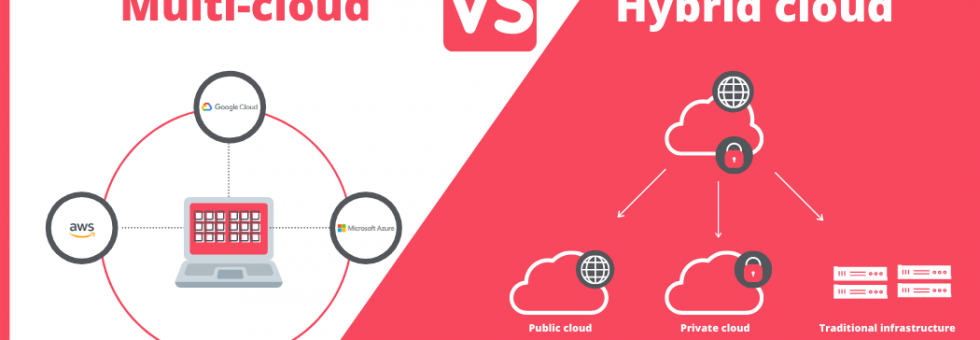
The Growing Need for Hybrid and Multi Cloud Environments
As enterprises continue to diversify their infrastructure, hybrid and multi-cloud approaches are rapidly becoming the standard. With Kubernetes adoption skyrocketing, IT teams must develop effective strategies to manage these deployments. Organizations often have workloads running across different cloud providers (e.g., AWS, Azure, Google Cloud) and on-premises data centers. This complex, distributed architecture demands tools that offer seamless management and ensure high availability, compliance, and performance.
For example, many companies leverage Microsoft AKS and Amazon EKS to scale their Kubernetes clusters across private and public cloud environments, optimizing both computing resources and cost.
Key Challenges in Hybrid and Multi Cloud Management
Managing Kubernetes in a hybrid and multi-cloud setup introduces several unique challenges:
- Infrastructure Complexity: Each cloud provider offers different Kubernetes distributions and services, leading to varied management complexities.
- Compliance and Security: IT teams must ensure data privacy, maintain regulatory compliance, and secure workloads across diverse environments.
- Operational Efficiency: Organizations must streamline workflows, reduce silos, and maintain consistent configurations across multiple platforms.
These challenges, however, present an opportunity for IT teams to implement a shared services platform (SSP) for Kubernetes, which simplifies management and boosts operational efficiency.
Best Practices for Kubernetes in Hybrid and Multi-Cloud Environments
1. Centralize Kubernetes Cluster Management
A unified approach to managing Kubernetes clusters across hybrid and multi-cloud environments is essential. By centralizing control, IT teams can easily monitor, govern, and optimize all clusters from a single console. This centralization improves developer productivity, reduces errors, and ensures consistent security policies across the platform.
By leveraging Kubernetes management tools such as ZippyOPS, organizations can manage and scale Kubernetes deployments while maintaining full visibility into their clusters. ZippyOPS offers managed services for Kubernetes and cloud environments, providing ongoing support for secure and efficient cluster management. For more details, visit ZippyOPS Services.
2. Enable Self-Service Access for Developers
Empowering developers to manage their own Kubernetes clusters through self-service access is key to speeding up application deployment. By providing pre-configured and approved workloads, organizations can minimize bottlenecks and enable faster time-to-market.
A platform like ZippyOPS allows organizations to enable DevOps teams with self-service tools and resources. This reduces the dependency on IT and accelerates the deployment pipeline. Moreover, adopting a GitOps methodology, with tools such as ArgoCD or Flux, further enhances automation and reduces human error in Kubernetes management.
3. Simplify Security and Compliance
Security and compliance remain top priorities when managing Kubernetes in hybrid and multi-cloud environments. Organizations need to centralize security policies, identity management, and access control. Implementing zero-trust security ensures that only authorized users can access sensitive workloads across cloud and on-prem environments.
ZippyOPS also supports organizations by offering security solutions tailored to Kubernetes environments. With their expertise in DevSecOps and security automation, ZippyOPS helps businesses mitigate risks and achieve compliance standards while maintaining operational flexibility. To learn more, visit ZippyOPS Solutions.
4. Optimize Resource Utilization Across Environments
Multi-cloud setups allow enterprises to take advantage of different cloud providers’ strengths. For instance, some workloads may benefit from the advanced machine learning tools offered by Google Cloud, while others might be better suited to the scalability of AWS. By optimizing the use of resources across various clouds, organizations can achieve both cost savings and better performance.
In addition, an SSP approach simplifies the automated provisioning of resources, which reduces manual oversight and speeds up cluster scaling. With tools like ZippyOPS, businesses can automate the deployment and management of Kubernetes clusters, ensuring that resources are efficiently allocated and utilized. For more information, check out the ZippyOPS Products.
5. Monitor and Optimize Cluster Performance
Continuous monitoring of Kubernetes clusters is crucial for maintaining performance and identifying potential issues. A unified platform can aggregate data from all clusters, providing visibility into metrics such as resource utilization, uptime, and performance bottlenecks.
ZippyOPS offers comprehensive monitoring solutions that help organizations track Kubernetes cluster health across hybrid and multi-cloud environments. With real-time insights, teams can make data-driven decisions to optimize performance and minimize downtime. For video tutorials on Kubernetes management, visit ZippyOPS YouTube Channel.
Conclusion
Incorporating Kubernetes into a hybrid and multi-cloud management strategy is essential for enterprises seeking to optimize their infrastructure. By centralizing management, enabling self-service for developers, and ensuring robust security, organizations can unlock the full potential of their Kubernetes deployments.
With the right tools and strategies in place, including managed services like ZippyOPS, businesses can overcome operational challenges and drive innovation. As a result, organizations will experience increased productivity, reduced downtime, and greater flexibility in their cloud-native applications.
For assistance in implementing Kubernetes across hybrid and multi-cloud environments, ZippyOPS offers expert consulting, implementation, and management services. Get in touch with us today at sales@zippyops.com.