Mastering Multi-Cloud Management for Optimal Performance
In today’s digital landscape, multi-cloud management is becoming essential for businesses aiming to maximize the benefits of cloud computing. This strategy involves overseeing and optimizing the use of multiple cloud environments—public and private—often from different vendors. The key to success lies in efficient tracking, securing, and optimizing deployments, ensuring seamless performance across diverse cloud platforms.
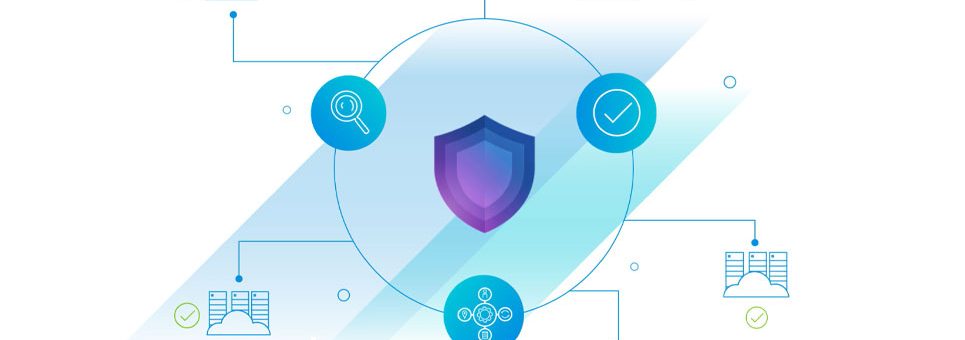
What is Multi-Cloud Management?
Multi-cloud management refers to the process of efficiently handling multiple cloud services from various vendors. Unlike relying on a single cloud provider, a multi-cloud strategy leverages different providers to avoid vendor lock-in, mitigate risks, and maximize performance. Each cloud vendor offers distinct features, APIs, and service-level agreements (SLAs), which makes multi-cloud management a complex but powerful strategy.
While hybrid cloud integrates multiple cloud environments within a unified framework, a multi-cloud approach uses entirely separate platforms. This distinction allows businesses to select the best cloud solutions for each workload.
For example, businesses often use public cloud services from providers like AWS, Microsoft Azure, and Google Cloud to meet varying requirements. Containers and Kubernetes play a pivotal role in facilitating multi-cloud deployments by offering portability, scalability, and management automation. However, as multi-cloud environments grow, so do the challenges of optimizing and securing them effectively.
The Tools for Effective Multi-Cloud Management
Managing a multi-cloud infrastructure requires specialized tools. Here are some of the most popular solutions that enable businesses to streamline their multi-cloud strategy:
1. Embiotics Commander
Embiotics Commander is a top-rated tool known for its robust capabilities in managing multi-cloud and multi-hypervisor environments. It offers cloud expense management, automated provisioning, and orchestration for microservices, containers, and DevOps teams.
2. Flexera (RightScale)
Flexera’s cloud management platform allows businesses to scale efficiently by providing a unified view of both public and private cloud resources. Its ability to automate orchestration through blueprints and manage cloud spending with Flexera Optima makes it an ideal choice for enterprises.
3. HyperGrid
HyperGrid leverages analytics-driven orchestration to provide insights into cloud bill analysis, optimization, and usage. Its cloud optimization features help businesses make data-driven decisions for cost and performance improvements.
4. Morpheus
Designed for data-centric organizations, Morpheus offers automated provisioning, orchestration, and codeless integration. It’s a great solution for businesses needing specific data insights across multiple clouds while eliminating integration challenges.
5. Scalr
Scalr is ideal for large enterprises managing diverse cloud environments. It offers flexibility in policy creation, resource allocation, and cost management, making it a powerful tool for standardizing cloud consumption across departments and locations.
Key Challenges of Multi-Cloud Management
While multi-cloud strategies offer numerous benefits, they also introduce several challenges that businesses need to address to ensure success.
Increased Complexity
Managing multiple cloud environments can quickly become complex, especially when each vendor operates differently. This requires robust tools and strategies to track, monitor, and optimize resources across various platforms.
Integration Issues
The lack of standardization across cloud providers can result in integration challenges. Organizations need solutions that allow their applications to seamlessly operate across different cloud platforms without issues. Containers and Kubernetes play a critical role in mitigating these integration challenges by providing portability.
Security Concerns
Each cloud vendor has its own security protocols, which can lead to security risks if not managed properly. Implementing a consistent and robust security framework across all cloud environments is essential to avoid breaches.
Rising Costs
Without proper monitoring, multi-cloud management can lead to higher-than-expected costs due to underutilized resources and inefficient deployments. Businesses must leverage cloud cost management tools to optimize resource allocation and reduce unnecessary expenses.
Compliance Issues
Due to the decentralized nature of multi-cloud environments, compliance can be difficult to maintain. Organizations must implement clear governance policies and security protocols to ensure compliance across all cloud platforms.
Best Practices for Multi-Cloud Management
Successfully managing a multi-cloud environment requires strategic planning and adherence to best practices. Here are some tips to get the most out of your multi-cloud strategy:
Set Realistic Goals in Multi-Cloud Management
Identify the right platform for each workload and set flexible, realistic goals for your multi-cloud deployment. As your cloud landscape evolves, your strategy should adapt accordingly.
Secure Your Network
In a multi-cloud environment, securing the perimeter of your network is no longer enough. It’s crucial to implement security measures inside the network, protecting all data flows across different cloud platforms.
Standardize Resource Consumption
Track how different units or departments within your organization use cloud services. By standardizing consumption, you can adjust resources as needed and avoid unnecessary costs.
Consolidate Data Across Platforms
To gain clear visibility into your multi-cloud ecosystem, it’s essential to use cloud management tools that consolidate data across platforms. This allows for easier monitoring and better decision-making.
Plan for Disaster Recovery
Having a disaster recovery plan in place is essential to ensure business continuity in case of cloud service outages. Multi-cloud environments are ideal for creating redundancy, ensuring that if one provider fails, others can pick up the slack.
Automate Wherever Possible
Leverage policy-driven automation to handle tasks like cost management, resource optimization, and security monitoring. Automation ensures that your multi-cloud infrastructure is continuously optimized and compliant.
Conclusion for Multi-Cloud Management
A well-executed multi-cloud management strategy can significantly enhance your business’s flexibility, performance, and scalability. By choosing the right tools, adopting best practices, and overcoming common challenges, organizations can optimize their cloud environments and reduce reliance on a single vendor.
At ZippyOPS, we provide expert consulting, implementation, and managed services for DevOps, Cloud, Microservices, Infrastructure, and Security. Our comprehensive solutions ensure that your multi-cloud environments are optimized for performance, cost-efficiency, and security.
Explore more about our services, solutions, and products to see how we can help you streamline your cloud strategy:
For more insights, check out our YouTube Playlist.
If you’re ready to enhance your cloud strategy, get in touch with us at sales@zippyops.com.