NoOps vs DevOps: Is NoOps the End of DevOps?
As automation continues to revolutionize cloud environments, the question arises: Is NoOps the end of DevOps? While both methodologies aim to improve development speed and efficiency, they approach the challenge in different ways. Let’s dive into the differences between NoOps vs DevOps, and why NoOps may not necessarily be the end of DevOps.
What Is NoOps?
In a NoOps model, operations are entirely automated, removing the need for a dedicated operations team. Instead of managing infrastructure manually, developers use cloud services and tools to automatically handle deployment, scaling, and other operational tasks. NoOps vs DevOps hinges on this distinction: NoOps eliminates the need for human oversight, whereas DevOps emphasizes collaboration between development and operations teams.
This shift toward automation is made possible by serverless technologies, Platform as a Service (PaaS), and other cloud-based solutions that allow businesses to scale and manage their applications without manual intervention. However, as we will explore, this doesn’t mean the complete end of operations teams.
NoOps vs DevOps: Key Differences
Both NoOps vs DevOps focus on streamlining development processes, but they do so in very different ways. While NoOps leans heavily on automation and cloud-native tools, DevOps relies on collaboration between developers and operations teams to optimize both development and operational workflows.
1. NoOps: Fully Automated Operations
In NoOps, everything from infrastructure to deployment is automated. Cloud services like Function as a Service (FaaS) and Container as a Service (CaaS) help developers scale and manage resources automatically, with no operational oversight required. This creates a more efficient, hands-off approach for teams. However, at ZippyOPS, we believe that while automation is key, businesses may still need expertise in cloud infrastructure and security to ensure smooth operations.
2. DevOps: Collaboration Between Development and Operations
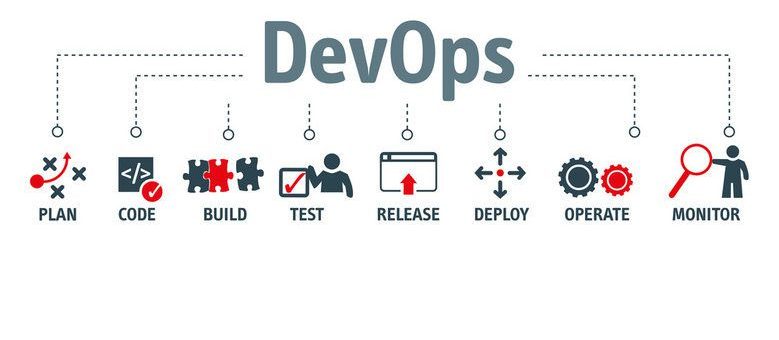
DevOps, on the other hand, emphasizes a collaborative culture between developers and operations teams. It integrates continuous integration (CI) and continuous delivery (CD) practices to streamline deployment cycles while focusing on ongoing improvements. While automation is a part of DevOps, the critical difference lies in the human element—operations professionals play a crucial role in maintaining infrastructure and managing deployment pipelines.
At ZippyOPS, we provide expert consulting and implementation services for businesses looking to strengthen their DevOps practices while integrating automation tools like AIOps to optimize workflows.
Advantages of NoOps vs DevOps
Both models have distinct advantages. Here’s a breakdown of what each offers:
1. More Automation, Less Maintenance with NoOps
One of the most significant benefits of NoOps is the reduction in operational overhead. By automating the management of infrastructure and deployments, businesses can reduce the time and effort needed for manual intervention. This aligns with the primary goal of NoOps vs DevOps: speed and efficiency through automation.
Cloud services help scale applications easily, allowing teams to focus more on coding and innovation, rather than managing servers. However, it’s important to consider how this affects security, monitoring, and compliance.
2. DevOps Enhances Collaboration and Flexibility
In contrast, DevOps brings development and operations teams together to ensure that applications are not only built efficiently but are also scalable and secure. The collaborative nature of DevOps allows for faster issue resolution and smoother integrations, which ultimately leads to improved software quality.
At ZippyOPS, we believe that a DevOps-focused approach can significantly improve deployment cycles and application stability. Our DevSecOps solutions integrate security directly into the CI/CD pipeline, ensuring secure code and deployments from the start.
Challenges of NoOps vs DevOps
While NoOps offers powerful automation, it also presents certain challenges. Below are some of the key obstacles when comparing NoOps vs DevOps:
1. NoOps May Require Operations Expertise Still
Despite the promise of fully automated operations, NoOps isn’t entirely free from the need for operational expertise. Certain tasks, such as security management, monitoring for errors, and addressing exceptions, still require a human touch. Without these elements, businesses may face disruptions in their services.
At ZippyOPS, we specialize in Automated Ops and Cloud services that combine automation with the necessary operational insights to ensure smooth business processes.
2. Security Concerns in NoOps Environments
As automation continues to handle deployment and infrastructure management, security remains a critical concern. In a NoOps vs DevOps comparison, the automated nature of NoOps doesn’t fully eliminate the need for security oversight. Evolving cyber threats require regular updates to security protocols, something that should not be left entirely to automation.
At ZippyOPS, we offer Cloud Security and DevSecOps solutions that provide ongoing security assessments and ensure your cloud infrastructure is always protected.
3. NoOps Might Not Be Suitable for All Environments
Not every company or application is suited for a NoOps approach. Enterprises with legacy systems, for instance, may find it difficult or impossible to fully transition to a NoOps model without significant rewrites or updates. In these cases, a hybrid approach using DevOps for certain tasks and NoOps for others could be a more practical solution.
Is NoOps the End of DevOps?
No, NoOps isn’t the end of DevOps. Rather, it’s a natural evolution that can complement DevOps in some cases. NoOps reduces manual intervention by automating infrastructure and operational tasks, but the human aspect of DevOps—collaboration, security, monitoring, and continuous improvement—remains indispensable for many organizations.
For businesses transitioning to cloud-native architectures, NoOps can be an excellent way to streamline operations. However, for those still relying on legacy systems, DevOps continues to be the best approach for managing complex environments.
ZippyOPS provides the expertise and tools to help businesses navigate this shift, offering DevOps, Cloud, MLOps, and Security solutions designed for today’s evolving digital landscape. Reach out to us for more information on how we can assist your organization in adopting a hybrid DevOps vs NoOps approach.
Conclusion: NoOps vs DevOps Can Coexist
While NoOps offers an exciting vision for fully automated operations, DevOps is far from obsolete. The two can coexist, with NoOps taking care of repetitive, manual tasks and DevOps focusing on collaboration and continuous improvement. ZippyOPS helps organizations leverage both strategies, creating tailored solutions that integrate AIOps, cloud automation, and security practices to drive innovation and efficiency.
If you want to learn more about how to integrate NoOps or enhance your DevOps strategy, feel free to contact us at sales@zippyops.com.