Zero Trust and Least Privilege: Enhance Cloud Security Today
In today’s rapidly evolving IT landscape, Zero Trust has emerged as a cornerstone for effective cybersecurity. With the rise of cloud computing, remote work, and sophisticated cyberattacks, organizations are vulnerable to unprecedented security threats. Zero Trust, paired with the principle of least privilege, can significantly reduce these risks. Here’s how you can get started with this robust security model.
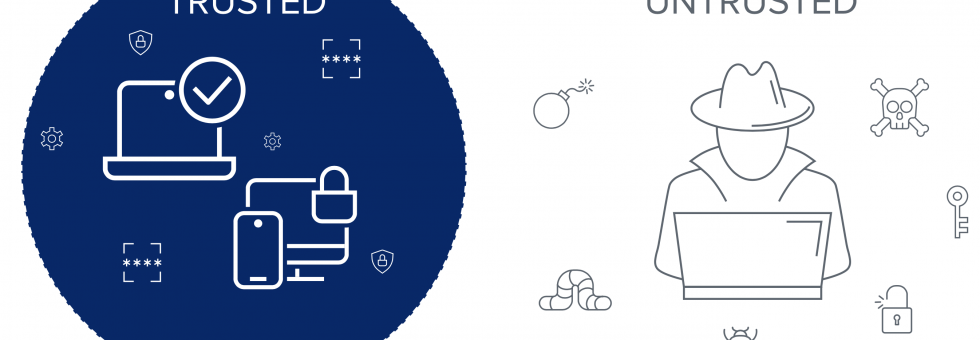
What Is Zero Trust?
Zero Trust is a security framework that assumes no entity—whether inside or outside the network—is inherently trustworthy. Every user, device, and application must undergo continuous verification before being granted access to sensitive data and systems. Unlike traditional models that trust devices or users once they’ve entered the network, Zero Trust adopts a “never trust, always verify” approach. This ensures organizations can prevent lateral movement of threats within their systems.
Zero Trust is designed for modern, complex environments where the boundaries of traditional perimeters have dissolved. With users working from various locations and accessing data via different devices, maintaining a high level of security is critical. Zero Trust helps mitigate risks by restricting access based on a constant process of authentication and validation.
The Role of Least Privilege
While Zero Trust provides the overarching framework, the concept of least privilege plays a critical role in its execution. Least privilege involves granting users access only to the resources they need to perform their specific tasks—nothing more. This minimizes the risk of unauthorized data access and reduces the potential damage in case a user’s credentials are compromised.
At ZippyOPS, we offer consulting, implementation, and managed services to help organizations design and deploy Zero Trust and least privilege strategies across their IT infrastructure. We specialize in a variety of areas such as DevOps, Cloud, DevSecOps, and Infrastructure Security to ensure your security model aligns with your business goals. For more information on our services, check out ZippyOPS Services.
Why Zero Trust Is Crucial for Modern Security
The shift to cloud environments, remote work, and global collaborations has introduced new challenges for cybersecurity teams. Traditional network security models, which rely on a defined perimeter, are no longer sufficient to address today’s sophisticated threats.
Zero Trust directly addresses this gap by:
- Ensuring that users and devices are authenticated and authorized before accessing applications and data
- Reducing the blast radius of compromised credentials
- Eliminating the assumption of trust within the network perimeter
Zero Trust can significantly mitigate risks associated with credential theft. In 2021, for example, compromised credentials were involved in 61% of breaches, as reported by Verizon. By implementing Zero Trust, companies can ensure that even if an attacker gains access to a user’s credentials, their ability to cause damage is limited.
For a robust approach to cloud security, ZippyOPS integrates Cloud Security and DevSecOps practices to help secure your digital environment. We recommend adopting DataOps and Automated Ops strategies alongside Zero Trust to improve visibility and reduce risks. Discover more about our cloud solutions at ZippyOPS Solutions.
How Zero Trust Enhances Remote Work Security
With employees working remotely across various global locations, traditional security measures like firewalls and VPNs no longer provide adequate protection. Zero Trust eliminates the need for these outdated solutions by continuously verifying users, regardless of their physical location or network they’re connected to.
By continuously validating identities and permissions, Zero Trust ensures that remote work doesn’t compromise security. Employees can securely access the tools and applications they need without worrying about VPN or firewall restrictions, making the process more efficient while strengthening security.
If you’re looking for DevOps, MLOps, or AIOps integration in your security model, ZippyOPS can provide tailored solutions to streamline these practices. Visit our ZippyOPS Products page for more details.
Steps to Implement
Implementing Zero Trust doesn’t have to be an all-or-nothing transition. We recommend a phased approach, starting with gaining full visibility into your organization’s cloud infrastructure and user access. From there, gradually enforce strict policies based on context and risk factors.
Key steps include:
- Mapping identities and their access relationships within the cloud environment
- Implementing Just-in-Time (JIT) access for users, granting permissions only when necessary
- Monitoring user activity to spot suspicious behavior
- Policy management to enforce the principle of least privilege consistently
ZippyOPS offers solutions that provide identity-based visibility, risk assessments, and automated remediation, ensuring least privilege is always enforced. Our Cloud Security platform can be a game-changer for organizations looking to enhance their strategy.
Conclusion
The adoption of Zero Trust and least privilege principles can dramatically improve your organization’s security posture, especially in today’s cloud-driven, remote-first world. While it is an ongoing process, implementing the right tools and strategies can help you take significant strides toward enhanced protection against cyber threats.
For organizations looking to move forward with their journey, a cloud-focused security platform and continuous monitoring are essential. At ZippyOPS, we provide comprehensive services to help businesses navigate this transition. Get in touch with us for a demo or consultation at sales@zippyops.com.