How to Migrate to SaaS Software: A Comprehensive Guide
Migrating to a Software-as-a-Service (SaaS) solution is a significant step that requires thorough planning and careful execution. Whether you’re transitioning from traditional software or moving to the cloud for the first time, it’s essential to understand the migration process and what steps are necessary for a smooth transition. In this guide, we’ll walk you through everything you need to know about migrate to SaaS.
What is SaaS Software?
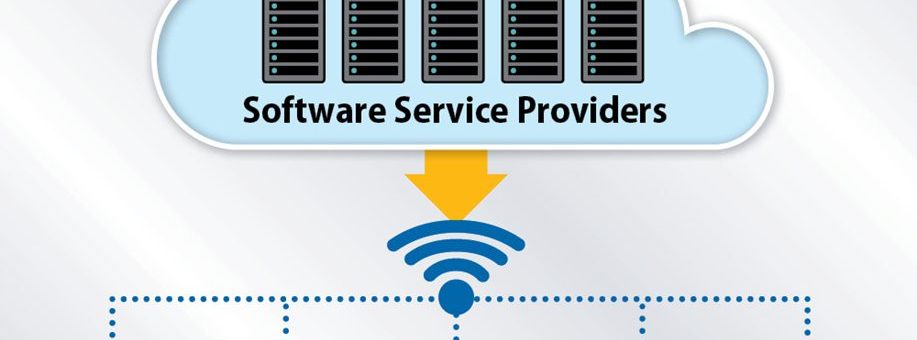
SaaS, or Software-as-a-Service, refers to software that is delivered online rather than being installed on individual devices. Essentially, you access the application through the internet rather than relying on hardware infrastructure. SaaS solutions are cloud-based, making them highly flexible and cost-effective for both developers and users.
For developers, the cloud infrastructure eliminates the need to invest in servers and other costly hardware. By renting the required resources from a provider, developers can save on operational costs, allowing them to focus on improving the software itself.
For end-users, SaaS provides a seamless experience with the added benefit of automatic updates. Unlike traditional software, users don’t need to worry about manual updates or managing storage space, as everything is handled remotely. As long as there’s a stable internet connection, users can access the latest features and functionality without any additional effort.
Key Differences Between Traditional and SaaS Software
The primary distinction between traditional software and SaaS lies in how the applications are distributed and hosted.
1. Distribution and Hosting:
Traditional software is typically installed on individual machines or servers, and users are responsible for maintaining the infrastructure. On the other hand, SaaS is hosted in the cloud, and users access it via a web browser, making it more flexible and scalable.
2. Pricing and Access:
Traditional software usually requires a one-time purchase or perpetual license. SaaS, however, operates on a subscription model, where users rent the software for a specified period, which includes continuous updates and support.
3. Internet Dependency:
While traditional software can often function offline, most SaaS applications rely on a stable internet connection for full functionality. Some SaaS products may work offline in limited capacities, but this is not always the case.
Understanding these differences is crucial when deciding whether migrating to SaaS is the right choice for your business.
How to Migrate to SaaS: A Step-by-Step Process
Migrating to SaaS involves several key steps. Each stage of the process requires careful consideration to ensure the move is successful.
1. Assess Your Readiness for Migration
Before migrating, it’s essential to evaluate whether your current software and your users are ready for the transition. Consider the following factors:
- Data Ownership: SaaS solutions involve third-party providers who may have access to your data. If data security and ownership are crucial for your business, a SaaS model may not align with your needs.
- Support Requirements: SaaS providers typically offer full-time support, but this may come at a higher cost. Be sure you can meet the demands for ongoing service and product quality.
- Long-Term Commitments: SaaS operates on a subscription basis, so it’s essential to assess whether your users are willing to commit to longer-term engagements. Short-term users may find SaaS less appealing.
2. Create a Roadmap for the Migration
Once you’ve determined your readiness, it’s time to plan the migration process. This step involves conducting a thorough inventory of your existing infrastructure, applications, and services. By understanding your current setup, you can decide which components to retain and which to transition to the new SaaS platform.
During this phase, it’s also critical to research how your services interact with each other and how they’ll function within the new SaaS environment. A solid roadmap helps you estimate the timeline and resource requirements for the migration.
3. Select the Right SaaS Provider
Choosing the right SaaS provider is one of the most critical aspects of the migration process. Not all SaaS providers offer the same features, support, or scalability. To ensure a smooth transition, consult with different providers, evaluate their offerings, and choose one that meets your business needs.
At ZippyOPS, we specialize in helping businesses migrate to the cloud and adopt SaaS solutions. Whether you need consulting, implementation, or managed services, we offer expertise in areas such as DevOps, DevSecOps, DataOps, Cloud, and Automated Ops. Our experienced team can guide you through every step of the migration process. Learn more about our services here.
4. Plan the Data Migration Process
Data migration is a critical component of the SaaS transition. There are several approaches to data migration, and the method you choose will depend on the nature of your application:
- Single-Tenant Architecture: Each SaaS user has a dedicated server or infrastructure. This option offers enhanced security and customization but can be more costly.
- Layered Migration Model: In this approach, different layers of the application are migrated individually, transitioning from single-tenant to multi-tenant environments gradually.
- Multi-Tenant Architecture: This is the most common SaaS model, where multiple users share the same infrastructure. It’s more cost-effective but may have limitations in customization.
The data migration process requires careful planning to ensure minimal disruption and data integrity. With the right tools and expertise, you can ensure a smooth transition to the cloud.
5. Monitor the Transition and Optimize
Once the migration is underway, continuous monitoring is essential. Keep track of performance metrics, address any technical issues, and provide feedback to your SaaS provider. By optimizing your new SaaS environment, you’ll ensure that your business gains the full benefits of the cloud.
ZippyOPS can assist you in optimizing your cloud infrastructure and ensuring your business runs smoothly in a SaaS environment. Explore our solutions here.
Conclusion for Migrate to SaaS
Migrate to SaaS is an investment in the future of your business. By carefully assessing your readiness, selecting the right provider, and planning a comprehensive migration strategy, you can make the transition with confidence. SaaS offers flexibility, scalability, and cost efficiency, making it an attractive solution for many businesses.
If you’re ready to explore about migrate to SaaS or need help with consulting and implementation, ZippyOPS is here to guide you. Our team of experts is ready to support your transition to the cloud. For more information, visit our services page or contact us at sales@zippyops.com for a consultation.