Microservices in Python: Benefits and Architecture
Choosing the right programming language is essential when designing microservices. Microservices in Python offer a flexible and popular choice for teams seeking rapid development and robust functionality. In this guide, we’ll explore why Python is suitable for microservices, its advantages and drawbacks, and best practices for implementing it effectively.
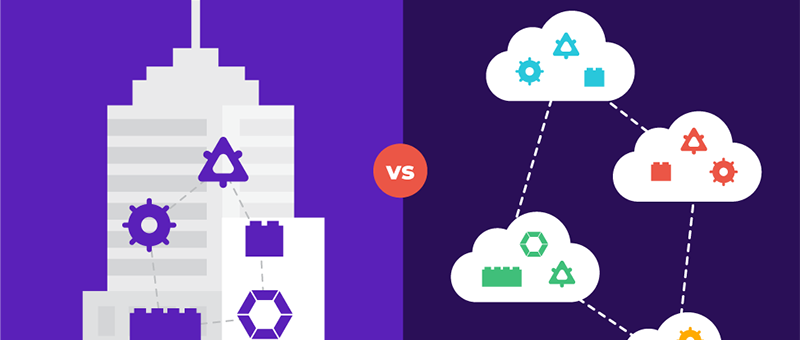
Understanding Microservices vs. Monolithic Architecture
Software applications often start as monolithic systems, where all components are tightly integrated. This approach works well for small projects or startups. However, as platforms grow, businesses often require complex applications. Consequently, splitting the application into a microservices architecture becomes advantageous.
Some languages are better suited for microservices. According to JetBrains, the most popular programming languages for microservices are Java (41%), JavaScript (37%), and Python (25%). While monolithic applications remain common, microservices in Python are increasingly chosen by developers for their simplicity and flexibility.
Why Python Works for Microservices
Python is a dynamic, object-oriented language that thrives in microservices architecture. Its versatility allows teams to develop unique solutions and scale complex applications efficiently. Additionally, Python supports rapid iteration, which is crucial for continuous development cycles.
Technically, any language capable of enabling communication between services can power microservices. Python, however, comes with libraries and frameworks—such as Flask, Django, and FastAPI—that simplify service creation, orchestration, and deployment.
Moreover, Python integrates seamlessly with legacy systems and front-end technologies, making it an excellent choice for hybrid environments.
Main Types of Microservices Architecture in Python
There are two common microservices types implemented in Python:
All-to-All Service
This model mirrors traditional development. Services are partially dependent on one another and execute sequentially. Communication is strict and structured, resembling a monolithic system divided into distinct blocks.
Event-Driven Microservices
Here, services respond to specific events or user interactions. Communication is asynchronous, making the architecture more complex but highly scalable. Event-driven microservices excel in systems requiring flexibility and responsiveness.
Communication Between Microservices
Unlike monolithic applications, microservices require efficient communication mechanisms. Message brokers, such as RabbitMQ, ZeroMQ, Apache Kafka, and IBM MQ, ensure services interact smoothly. Cloud platforms like AWS provide managed solutions for brokers, but teams can also implement custom options based on their needs.
Effective communication ensures services remain loosely coupled, resilient, and scalable—core benefits of microservices in Python.
Advantages of Microservices in Python
- Rapid Prototyping: Python simplifies API design, allowing teams to test and iterate quickly.
- Automation: Developers can automate system provisioning and configuration across multiple services.
- Legacy Compatibility: Python works well with older languages such as PHP and ASP for web service integration.
- Community Support: A large, active community ensures ample resources for problem-solving and guidance.
Drawbacks of Microservices in Python
- Execution Speed: Python is interpreted, so it runs slower than compiled languages like C++ or Go.
- Dynamic Typing Risks: Errors may only surface at runtime, requiring thorough testing and attention to detail.
Insights from Real-World Python Microservices
At ZippyOPS, we’ve deployed multiple Python-based microservices using frameworks like Flask and Django. Key takeaways include:
- Framework Choice Matters: Django offers built-in tools for rapid development, whereas Flask or FastAPI allows greater customization.
- Team Versatility: Python is approachable for developers of varying experience levels, ensuring smooth collaboration.
- Client Preference: While alternatives like JavaScript exist, Python’s extensive ecosystem, rapid development, and trustworthiness make it a popular choice.
ZippyOPS specializes in consulting, implementation, and managed services for DevOps, DevSecOps, DataOps, Cloud, Automated Ops, AIOps, MLOps, Microservices, Infrastructure, and Security. Our expertise helps organizations leverage Python microservices efficiently, optimizing architecture and deployment. Learn more about our services, solutions, and products, or explore our YouTube resources.
Conclusion for Microservices in Python
Microservices in Python are ideal for complex systems requiring scalability, asynchronous communication, and continuous delivery. However, the choice of language and framework should depend on your team’s skills, project requirements, and resources. Python’s strong ecosystem, rapid prototyping, and developer-friendly nature make it a reliable option for many businesses.
For organizations ready to implement microservices with Python or optimize their existing architecture, ZippyOPS offers tailored consulting, implementation, and managed services. Contact us today at sales@zippyops.com to explore how we can help your team deliver scalable, secure, and efficient applications.