Mobile Cloud Computing: Benefits, Risks, and Solutions
Mobile cloud computing is transforming the way businesses and users interact with technology. It combines the power of cloud computing with the convenience of mobile devices, enabling seamless access to applications and data from anywhere. In this article, we explore the fundamentals of mobile cloud computing, its key benefits, potential challenges, and practical solutions for businesses.
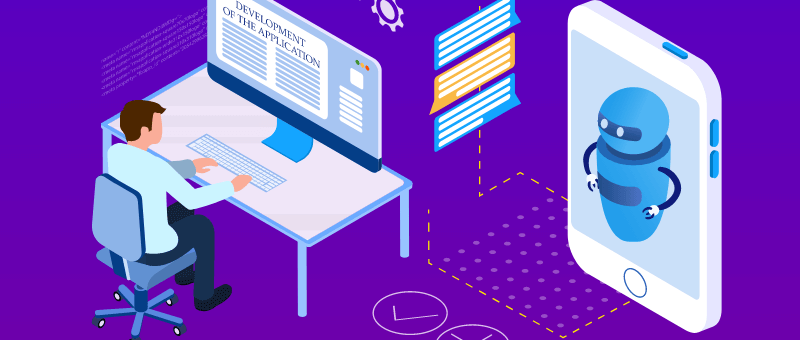
What is Mobile Cloud Computing?
Mobile cloud computing is a technology that integrates mobile devices with cloud platforms through wireless networks. It allows users to access rich computational resources without relying solely on device hardware. As a result, mobile apps can deliver high performance, flexibility, and scalability, regardless of the underlying operating system or device limitations.
For instance, cloud-based email, video streaming, and productivity apps rely on mobile to function smoothly. Businesses can leverage this technology to provide innovative software solutions, enhance user experience, and streamline operations.
Companies like ZippyOPS offer consulting, implementation, and managed services in mobile cloud computing, DevOps, DevSecOps, DataOps, Cloud, and Automated Ops, ensuring secure and optimized solutions tailored to your business needs.
Top 6 Advantages of Mobile Cloud Computing
1. Flexibility
Mobile cloud computing allows data and applications to be accessed from any location, at any time, using any device with an internet connection. Consequently, users can exchange information seamlessly, improving productivity and collaboration.
2. Data Backup and Recovery
Cloud platforms enable automatic data backup, which protects important information in case of a disaster. Businesses can store multiple copies of critical files across secure locations. This method ensures reliable disaster recovery while maintaining high-level security. Learn more about ZippyOPS solutions that simplify cloud data management.
3. Cost-Effective Operations
Switching to mobile cloud computing reduces IT costs. Instead of purchasing expensive hardware or software, businesses only pay for the resources they use. Over time, this approach saves both money and operational overhead.
4. Automatic Updates
Cloud services provide regular updates, ensuring that applications and systems remain current with the latest technology. Users benefit from improved performance, security, and functionality without manual intervention.
5. Improved Collaboration
Teams can work together efficiently, even when dispersed across locations. Cloud platforms allow shared access to files and real-time updates, streamlining collaboration. Moreover, businesses can choose secure cloud models to manage sensitive information with partners or clients.
6. Scalability
Cloud resources can scale up or down based on demand. Small businesses and large enterprises alike can adjust their storage and computing capacity without investing in costly infrastructure. ZippyOPS products support scalable cloud solutions, microservices, and MLOps for dynamic business needs.
Challenges of Mobile Cloud Computing
1. Connectivity Dependence
Mobile cloud computing relies on stable internet connections. Poor connectivity can disrupt access to applications and data, highlighting the need for reliable network infrastructure.
2. Data Privacy and Security
Sensitive information stored in the cloud may be vulnerable to breaches. Therefore, choosing a trusted service provider is critical to safeguard data. ZippyOPS offers robust security measures for cloud, DevSecOps, and infrastructure to protect business assets.
3. Vendor Lock-In
Switching cloud providers can be complicated due to differing platforms and services. Businesses must consider flexibility and interoperability when selecting a cloud partner.
How ZippyOPS Supports Mobile Cloud Computing
ZippyOPS provides end-to-end services for businesses adopting mobile cloud computing. From DevOps, Cloud, and Automated Ops to DataOps, MLOps, and Microservices, their team ensures seamless integration, deployment, and ongoing management. Additionally, you can explore ZippyOPS YouTube channel for tutorials, case studies, and industry insights.
By leveraging expert guidance, businesses can overcome mobile cloud computing challenges, optimize costs, and achieve faster deployment cycles.
Key Takeaway
Mobile cloud computing is a versatile and cost-effective solution that empowers businesses to deliver real-time, high-performance applications. While connectivity, privacy, and vendor dependencies are potential challenges, partnering with a reliable provider like ZippyOPS ensures secure, scalable, and optimized solutions.
For expert consulting, implementation, or managed services in mobile cloud computing, DevOps, Cloud, or Security, contact ZippyOPS at sales@zippyops.com.