SecDevOps: Integrating Security into the SDLC
SecDevOps puts security at the center of modern software delivery. Instead of treating security as a final checkpoint, it weaves it into every stage of the SDLC. As a result, teams release software faster while keeping applications stable, compliant, and secure.
Today, security threats evolve quickly. Because of this, adding protection only at the end of development is no longer enough. SecDevOps solves this problem by aligning development, operations, and security teams around shared goals.
What Is SecDevOps?
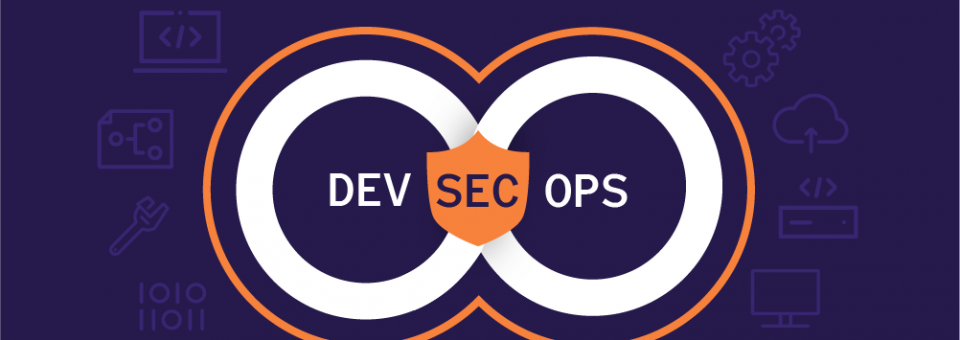
SecDevOps is a collaborative approach that integrates security practices into DevOps workflows from day one. Development, operations, and security teams work together throughout planning, coding, testing, deployment, and maintenance.
By shifting security left, teams detect risks earlier. Consequently, they avoid costly fixes, release delays, and failed audits. At the same time, automation reduces manual effort and improves consistency across environments.
Moreover, SecDevOps supports continuous updates without compromising protection. Applications stay secure even as features, infrastructure, and configurations change.
Why SecDevOps Matters in the SDLC
Security issues often surface late in the SDLC. However, fixing them at that stage costs more and slows delivery. SecDevOps changes this pattern by embedding security controls early and validating them continuously.
Because of this approach, teams identify vulnerabilities before production. Therefore, testing cycles shorten and release confidence improves. In addition, automated security checks reduce human error and enforce best practices.
According to the OWASP Top 10, many critical risks stem from insecure design and misconfigurations. Addressing these early through SecDevOps significantly lowers exposure to common attacks (https://owasp.org/www-project-top-ten/).
How SecDevOps Is Implemented Across the SDLC
Planning and Design
Security starts with clear requirements. During planning, teams define threat models, compliance needs, and security standards. For example, access control and data protection rules should be documented before development begins.
At this stage, collaboration matters most. When security teams guide architecture decisions early, future rework drops significantly.
Development and Testing
During development, automated code analysis scans for vulnerabilities with every commit. Meanwhile, dependency checks prevent known risks from entering the codebase.
Testing also evolves. Instead of manual reviews alone, teams run continuous security tests alongside functional tests. As a result, feedback reaches developers faster.
Deployment and Operations
In production, SecDevOps relies on real-time monitoring and automated responses. Security policies remain consistent across cloud and on-prem environments.
At the same time, logs and alerts help teams detect suspicious behavior quickly. Continuous monitoring ensures systems stay protected long after release.
Tools and Technologies
Effective it combines multiple tools into a unified workflow. Common categories include:
- Code analysis tools to detect flaws before deployment
- Vulnerability management platforms to track and remediate risks
- Identity and access management for secure authentication
- Data encryption solutions to protect sensitive information
- Security monitoring tools for real-time visibility
- Penetration testing tools to simulate real-world attacks
When these tools work together, security processes become faster and more reliable.
Cost Savings Through SecDevOps Integration
SecDevOps improves security, but it also reduces long-term costs. Early detection lowers the risk of breaches and downtime. Consequently, organizations avoid expensive incident response and recovery efforts.
Automation also improves efficiency. Repetitive tasks run automatically, which reduces operational overhead. In addition, built-in compliance checks help teams meet regulatory requirements without last-minute fixes.
Finally, strong security protects brand reputation. Trust remains intact, and customer confidence grows over time.
How ZippyOPS Enables SecDevOps Success
ZippyOPS helps organizations adopt SecDevOps with confidence. Through consulting, implementation, and managed services, ZippyOPS supports secure delivery across DevOps, DevSecOps, DataOps, Cloud, Automated Ops, AIOps, and MLOps.
Teams benefit from deep expertise in microservices, infrastructure, and security. Moreover, ZippyOPS designs solutions that scale across hybrid and cloud environments while keeping automation and compliance aligned.
Explore how ZippyOPS supports secure operations through its
- Services: https://zippyops.com/services/
- Solutions: https://zippyops.com/solutions/
- Products: https://zippyops.com/products/
For practical insights, real demos, and walkthroughs, visit the ZippyOPS YouTube channel: https://www.youtube.com/@zippyops8329
Conclusion
SecDevOps transforms security from a blocker into a business enabler. By integrating protection into the SDLC, teams release faster, reduce risk, and control costs.
In summary, success depends on collaboration, automation, and the right tools. When security becomes part of everyday workflows, organizations stay resilient in an increasingly digital world.
If you want expert guidance on implementing SecDevOps, DevOps, or cloud security at scale, reach out to ZippyOPS at sales@zippyops.com.