Bare Metal Servers: Benefits, Management & Tools
Bare metal servers are physical machines dedicated to a single user, giving complete control over hardware and software. They are ideal for organizations that need high-performance computing (HPC), data-intensive workloads, or specific custom configurations. As businesses continue adopting cloud, DevOps, and modern infrastructure strategies, bare metal servers remain a key solution for secure, reliable, and flexible environments.
In this guide, we will explore what bare metal servers are, why they are important, how to manage them, and the top tools available for provisioning. We will also highlight how companies like ZippyOPS provide consulting, implementation, and managed services for bare metal, cloud, DevOps, and security.
What Are Bare Metal Servers?
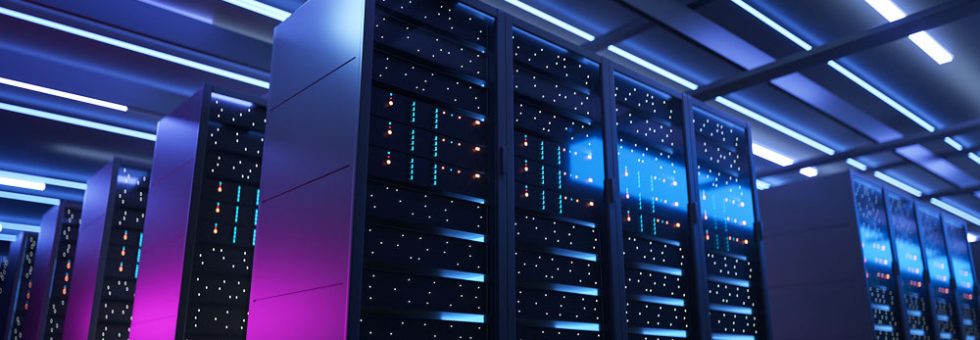
Bare metal servers refer to physical machines rented from a provider that are not shared with any other tenant. Unlike virtualized cloud servers, they do not include a hypervisor pre-installed. This provides users with full control over operating systems, applications, and hardware resources. Because of this, bare metal servers are particularly effective for workloads that require maximum performance, minimal latency, and high security.
Essentially, a bare metal server gives you the hardware alone. You can configure the OS, storage, CPU, and networking to your exact needs. For companies leveraging cloud solutions or multi-cloud architectures, bare metal servers can complement virtualized infrastructure while reducing overhead.
Why Businesses Choose Bare Metal Servers
Businesses increasingly rely on bare metal servers for several reasons:
- Isolated Environments: Each server is dedicated to one tenant, allowing for full customization and configuration.
- High-Performance Computing: Equipped with top-tier CPUs, NVMe SSDs, and large memory, bare metal servers handle critical workloads with minimal downtime.
- No Noisy Neighbor Issues: Unlike shared servers, performance is predictable since no other user consumes your resources.
- Flexible Administration: Companies can set up servers and networks exactly as they need, without being restricted by pre-configured policies.
- Pay-As-You-Go: Modern bare metal servers offer flexible billing models, including hourly, monthly, or yearly usage, making it cost-efficient for dynamic workloads.
- Enhanced Security: Single-tenant environments reduce exposure to internal threats, and users can implement custom firewalls, encryption, and monitoring solutions.
These advantages make bare metal servers an attractive choice for enterprises that require reliability, speed, and security in their infrastructure. ZippyOPS helps organizations integrate bare metal servers into their DevOps, DevSecOps, and cloud workflows while ensuring compliance and operational efficiency (ZippyOPS services).
Managing Bare Metal Servers
Managing bare metal servers can be more complex than virtual servers. Initially, bare metal resembled on-premises hardware, requiring in-house IT teams for installation, configuration, and ongoing maintenance. Today, management options have evolved and include:
Type 1 Hypervisors
A Type 1 hypervisor installs directly on the hardware rather than the OS. This allows high availability and efficient access to resources. Multiple virtual machines (VMs) can be created on the server while still taking advantage of bare metal performance.
Rented Bare Metal Farms
Rented server farms are a practical alternative to in-house management. Infrastructure-as-a-Service (IaaS) providers manage the hardware and often provide monitoring tools. These farms allow businesses to choose server locations strategically while managing configurations via web portals. Monitoring tools enable network management, OS updates, and security patch deployment with minimal effort.
Bare Metal Cloud
Bare metal servers are increasingly offered as cloud services by providers such as Equinix Metal, Oracle, and AWS:
- Equinix Metal: On-demand bare metal with workload-optimized machines, APIs, and easy deployment in minutes. Their facilities prioritize renewable energy and sustainability.
- Oracle Bare Metal: Offers enterprise-grade hardware, installation tools, and provisioning capabilities for Linux or Oracle VM Server, with detailed documentation for setup.
- AWS EC2 Bare Metal: Provides high-end configurations with up to 192 vCPUs and 4 TB RAM, leveraging AWS security, uptime, and connectivity benefits.
These cloud-based solutions combine the flexibility of bare metal with the advantages of managed cloud environments, including scalability, security, and automation.
Top Tools for Bare Metal Provisioning
Provisioning tools simplify tasks such as OS installation, network configuration, and monitoring. Popular tools include:
MAAS
MAAS.io is an open-source tool that treats bare metal servers like cloud machines. Key features:
- Automated discovery of servers and networks
- Multi-management options: web UI, CLI, and API integration
- KVM micro-cloud management
- DHCP and DNS network control
MAAS also offers paid tiers for support, including high-availability and 24/7 assistance.
Foreman
Foreman supports provisioning both bare metal and virtual servers. Its features include:
- Web-based UI and smart proxy for low-latency server management
- Integration with Ansible, Azure, Graphite, and other tools
- OS deployment, configuration management, and monitoring
It is widely used by companies such as AstraZeneca and CERN.
BMC TrueSight
TrueSight allows automated OS provisioning, configuration inspection, and snapshot creation. It supports both cloud and on-premises bare metal servers. BMC’s extensive enterprise experience ensures scalability and enterprise-grade support.
Integrating Bare Metal with DevOps and Cloud
Bare metal servers are a natural fit for DevOps, DataOps, AIOps, and MLOps initiatives. By combining high-performance hardware with automated provisioning tools, teams can:
- Deploy CI/CD pipelines efficiently
- Integrate microservices and containerized workloads
- Ensure infrastructure security and compliance
ZippyOPS provides consulting, implementation, and managed services to help organizations leverage bare metal servers alongside cloud and automated operations (ZippyOPS solutions, products). For practical demonstrations, check out ZippyOPS on YouTube.
Conclusion
Bare metal servers deliver high performance, flexibility, and enhanced security for modern workloads. Whether deployed on-premises, in rented server farms, or as a cloud service, they provide the control enterprises need to optimize infrastructure and workloads. Modern provisioning tools such as MAAS, Foreman, and TrueSight simplify server deployment and management, making bare metal adoption more efficient than ever.
For businesses seeking to leverage bare metal servers, cloud, and DevOps solutions seamlessly, ZippyOPS offers expert consulting, implementation, and managed services. Reach out at sales@zippyops.com to explore customized strategies for your organization.