Cloud Security Challenges in Hybrid and Multi-Cloud Environments
As more organizations adopt cloud computing, cloud security becomes a critical concern, especially in hybrid and multi-cloud setups. These environments offer flexibility, scalability, and cost efficiency. However, they also introduce unique security risks that require careful management. In this article, we explore the key challenges of cloud security and practical strategies to mitigate them.
Understanding Hybrid and Multi-Cloud Environments
A hybrid cloud combines private and public clouds, enabling organizations to leverage the best of both worlds. Meanwhile, multi-cloud setups use multiple cloud service providers (CSPs) to distribute workloads, reduce vendor dependency, and improve redundancy. These configurations enhance resource allocation, data availability, and system scalability.
For example, platforms like Amazon S3 allow seamless and cost-effective data storage across various applications. While these setups transform digital operations, maintaining consistent security across diverse networks and providers remains complex.
ZippyOPS helps organizations implement secure hybrid and multi-cloud strategies with consulting, implementation, and managed services in DevOps, DevSecOps, DataOps, Cloud, Automated Ops, AIOps, MLOps, Microservices, Infrastructure, and Security. Learn more about our services and solutions.
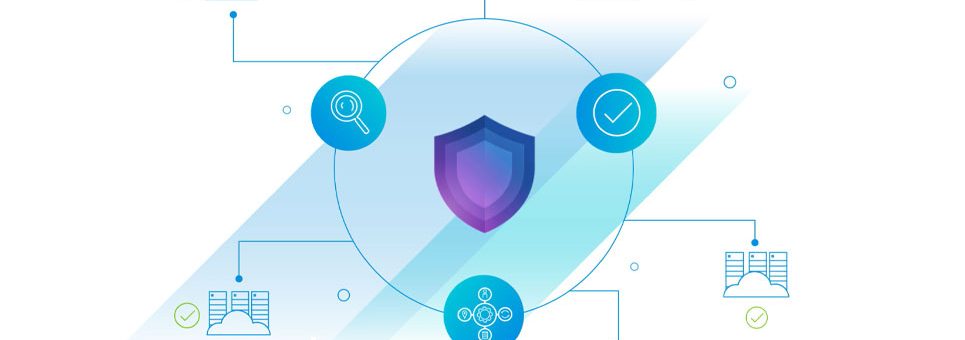
Cloud Security Workload Management in Hybrid and Multi-Cloud
Hybrid and multi-cloud environments allow sensitive workloads to remain on private clouds while less critical operations run on public clouds. This separation ensures confidentiality while maintaining scalability. For example, proprietary product data can be stored securely in a private cloud, while customer-facing applications leverage public cloud scalability.
Proper workload management also improves compliance and reduces operational risk. ZippyOPS provides automated solutions to monitor and optimize workloads across multiple clouds, integrating security controls without compromising performance. Explore our products for tailored automation.
Complexity and Lack of Standardization
Managing security across multiple clouds is challenging due to differences in CSP settings, interfaces, and policies. Without standardization, identifying vulnerabilities, detecting threats, and responding consistently becomes difficult.
Mitigation Strategy: A centralized cloud security platform can consolidate security policies across multiple providers. This approach allows unified monitoring, faster incident response, and consistent policy enforcement. ZippyOPS offers implementation services for integrated security management, helping teams maintain compliance and visibility.
Data Security and Compliance
Data security is vital in any cloud environment. Hybrid and multi-cloud setups complicate this by requiring data movement across platforms and geographic regions, often under varying regulatory requirements. Organizations must ensure confidentiality, integrity, and availability while complying with privacy laws.
Mitigation Strategy: Encrypt data both in transit and at rest, implement strict access controls, and classify sensitive information. Following regulatory frameworks such as ISO/IEC 27001 can help organizations remain compliant. ZippyOPS supports enterprises with DataOps, Cloud, and Security solutions to safeguard data while meeting compliance obligations.
Network Security and Segmentation
Hybrid and multi-cloud networks span on-premises infrastructure and multiple cloud platforms, making connectivity and segmentation crucial. Misconfigurations or weak policies can increase the risk of unauthorized access and lateral movement.
Mitigation Strategy: Implement network segmentation, firewalls, intrusion detection systems, and VPNs. Continuous network monitoring enables quick detection and response to suspicious activity. ZippyOPS integrates these practices into automated cloud security operations to ensure robust protection.
Identity and Access Management (IAM) Challenges
Managing user identities and access privileges across different clouds is complex. Each platform may have unique IAM protocols, making centralized control difficult.
Mitigation Strategy: Use centralized IAM or identity federation to standardize access policies. Implement multi-factor authentication (MFA) and privileged access management (PAM) to reduce risks while maintaining usability. ZippyOPS provides IAM consulting and automation to secure identities across hybrid and multi-cloud ecosystems.
Vendor Lock-In and Dependency Risks
While multi-cloud reduces dependence on a single CSP, it introduces challenges around vendor lock-in and data migration. Service-level agreements (SLAs), contracts, and exit strategies are essential to avoid disruptions or data loss.
Mitigation Strategy: Ensure contracts explicitly state data ownership and SLAs cover security, privacy, backup, and recovery. This approach guarantees control over your data while maintaining flexibility. ZippyOPS assists organizations in managing vendor relationships and optimizing cloud strategies without compromising security.
Conclusion for Cloud Security Hybrid Multi Cloud
Hybrid and multi-cloud environments provide significant business advantages, including scalability, redundancy, and cost efficiency. However, they introduce cloud security challenges such as complexity, lack of standardization, IAM issues, and vendor dependencies.
By following strategic mitigation approaches—like centralized security platforms, robust IAM, and proper workload management—organizations can reduce risks and strengthen their cloud posture. ZippyOPS offers end-to-end consulting, implementation, and managed services to ensure secure, efficient, and automated cloud operations.
For more information, demos, and videos, visit our YouTube channel. Contact us today at sales@zippyops.com to discuss how we can help your organization secure its hybrid and multi-cloud environments.