DevSecOps Pipeline Best Practices for Secure Software
Security is a critical aspect of software development, spanning from initial planning to deployment and maintenance. DevSecOps integrates security testing throughout the development lifecycle, ensuring vulnerabilities are caught early and software remains reliable.
According to AWS, “DevSecOps is the practice of integrating security testing into every stage of the software development process. It involves tools and practices that foster collaboration between developers, security teams, and operations to create software that is both efficient and secure.”
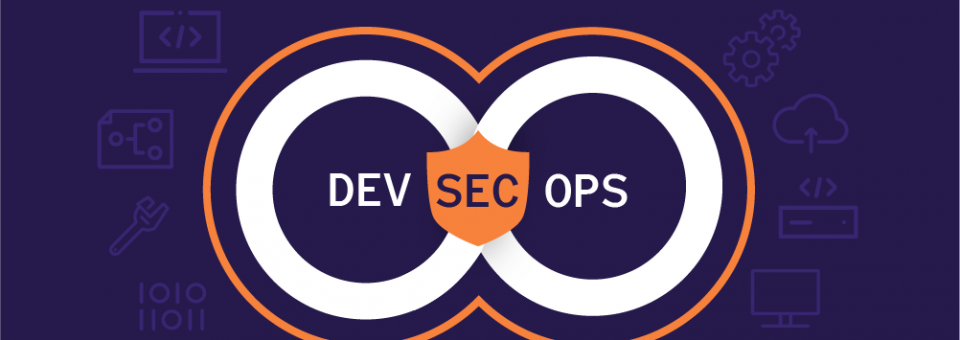
The term DevSecOps combines development, security, and operations. It extends DevOps principles by making security a shared responsibility across all roles within a software team.
How to Build a Profitable DevSecOps Pipeline
Creating a successful DevSecOps pipeline requires deliberate planning and execution. Security must be embedded at every stage rather than treated as an afterthought. By following these five essential steps, teams can ensure their software is secure, reliable, and scalable.
1. Continuous Integration (CI)
Continuous integration forms the backbone of any pipeline. This process involves regularly merging code changes into a shared repository, triggering automated builds and tests. As a result, code is validated early, reducing the likelihood of vulnerabilities entering production.
Moreover, CI enables faster feedback for developers, allowing them to address issues immediately. By integrating CI with automated security checks, organizations can enhance the efficiency of their DevSecOps strategy.
2. Automated Security Testing
Automated security testing is vital to a robust workflow. Tools like static application security testing (SAST) analyze source code before execution, while dynamic application security testing (DAST) evaluates running applications for vulnerabilities.
These tests act as a proactive defense, catching potential threats before they escalate. In addition, combining SAST and DAST ensures comprehensive coverage, making your software more resilient against attacks.
3. Infrastructure as Code (IaC) Security
Infrastructure as Code (IaC) automates infrastructure deployment and management. Securing IaC scripts is essential to prevent misconfigurations that could expose your system.
Implementing IaC security practices helps identify vulnerabilities in infrastructure definitions, reducing the risk of breaches. Organizations can adopt tools that scan IaC templates for compliance and best practices, thereby strengthening the DevSecOps pipeline.
4. Continuous Monitoring and Threat Intelligence
Ongoing monitoring of applications and infrastructure is crucial for identifying security gaps. Deploying monitoring tools provides real-time visibility into your environment’s health and security posture.
Furthermore, leveraging threat intelligence keeps teams informed about emerging risks. By proactively addressing vulnerabilities, organizations can reduce potential downtime and maintain a secure software ecosystem.
5. Security Training and Awareness
A strong DevSecOps pipeline depends on a security-conscious culture. Teams should receive regular training on best practices, emerging threats, and the importance of integrating security into development.
A knowledgeable team can contribute to a safer DevSecOps process, fostering collaboration between development, operations, and security teams.
How ZippyOPS Enhances DevSecOps
At ZippyOPS, we provide consulting, implementation, and managed services across DevOps, DevSecOps, DataOps, Cloud, Automated Ops, Microservices, Infrastructure, and Security. Our approach ensures that security is not only integrated but also optimized for performance and compliance.
Learn more about our services, solutions, and products. For insights and demos, explore our YouTube channel.
By partnering with ZippyOPS, organizations can implement a DevSecOps pipeline that is automated, secure, and aligned with modern software delivery best practices.
Conclusion
Integrating security at every stage of development is no longer optional. A well-designed pipeline improves code quality, reduces vulnerabilities, and enhances overall software reliability. By following CI, automated testing, IaC security, continuous monitoring, and team training, organizations can protect their applications while accelerating development.
For professional DevSecOps guidance, consulting, and managed services, contact ZippyOPS at sales@zippyops.com.