A DevOps toolchain is a set of integrated tools that automate and streamline software development and operations. It spans planning, coding, building, testing, deploying, monitoring, and collaboration.
Because each tool shares data with the next, teams get faster feedback and fewer handoffs. As a result, releases become more frequent and less risky. At the same time, quality and reliability improve.
It is important to remember one thing, however: you cannot buy DevOps. Tools support DevOps practices, but culture and process drive success.
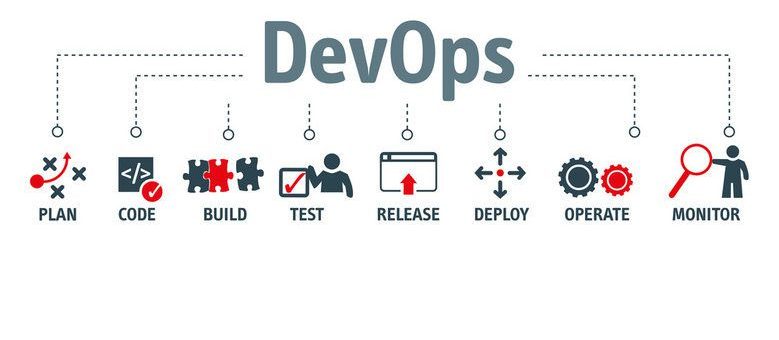
Key Principles of a DevOps Toolchain
Before looking at tools, keep these ideas in mind:
- Continuous improvement is the main goal
- Tool adoption happens in stages
- Automation reduces errors and delays
- Collaboration matters as much as technology
With that foundation, let’s explore each DevOps toolchain stage.
DevOps Toolchain for Planning and Collaboration
Planning tools align teams around shared goals. They also improve visibility across workstreams.
Because everyone sees the same priorities, teams move with clarity and confidence. Moreover, transparent planning reduces last-minute surprises.
Common Planning Tools
- GitLab for backlog planning and integrated CI/CD
- Jira for Agile and Scrum workflows
- Azure Boards for end-to-end work tracking
At ZippyOPS, planning workflows are often integrated with delivery pipelines to support DevOps, DataOps, and Microservices programs. This approach ensures strategy always connects to execution.
Issue Tracking and Feedback Management
Issue tracking tools close the feedback loop. They capture bugs, requests, and operational issues in one place.
Because issues are logged and analyzed, teams avoid repeating mistakes. Consequently, customer response times improve.
Popular Issue Tracking Tools
- Jira
- Zendesk
These tools are often integrated with monitoring systems, which is a best practice ZippyOPS applies in DevSecOps and AIOps engagements.
DevOps Toolchain for Source Control
Source control is the backbone of the DevOps toolchain. It manages code changes, history, and collaboration.
Because every change is tracked, teams can roll back safely. In addition, parallel development becomes easier.
Common Source Control Platforms
- Git
- GitHub
- Bitbucket
ZippyOPS often designs secure Git workflows that support compliance, security scanning, and automated reviews.
Build and Artifact Management Tools
Build tools automate packaging and dependency management. This reduces manual errors and saves time.
Because builds are repeatable, deployments stay consistent across environments.
Examples of Build and Repository Tools
- Maven and Gradle
- JFrog Artifactory
- Sonatype Nexus
These tools are core to scalable CI pipelines used in Cloud and MLOps platforms.
DevOps Toolchain for Testing and Quality Assurance
Testing tools shift quality left. They validate code before it reaches production.
As a result, teams gain confidence in every release.
Widely Used Testing Tools
- JUnit
- Selenium
- Cucumber
ZippyOPS integrates automated testing into CI/CD pipelines to support fast yet safe releases.
DevOps Toolchain for CI/CD Automation
CI/CD tools automate build, test, and deployment workflows. Therefore, feedback cycles shorten dramatically.
They also reduce waiting time and defect leakage.
Common CI/CD Platforms
- Jenkins
- CircleCI
- AWS CodePipeline
According to CNCF, CI/CD automation is a key driver of cloud-native reliability and speed.
DevOps Toolchain for Configuration and Infrastructure as Code
Configuration management enforces consistency across environments. It also enables Infrastructure as Code.
Because infrastructure is versioned, teams gain traceability and control.
Popular Configuration Management Tools
- Terraform
- Ansible
- Puppet
ZippyOPS uses these tools in Cloud, Automated Ops, and Security programs to reduce drift and improve compliance.
DevOps Toolchain for Cloud and Containers
Cloud platforms provide automation-friendly environments with built-in observability.
Leading Cloud Platforms
- Amazon Web Services
- Microsoft Azure
- Google Cloud Platform
For container orchestration, Kubernetes is the industry standard. ZippyOPS specializes in Kubernetes design, security, and multi-cloud operations.
DevOps Toolchain for Monitoring and Logging
Monitoring and logging tools provide visibility into system health.
Because issues are detected early, recovery is faster. Moreover, automated alerts reduce manual effort.
Common Monitoring and Logging Tools
- Prometheus
- Datadog
- ELK Stack
These capabilities are essential for AIOps and proactive operations.
DevOps Toolchain for Communication and Knowledge Sharing
Finally, DevOps relies on strong communication.
Tools such as Slack and Confluence reduce delays and improve collaboration.
Because knowledge is shared, new hires ramp up faster and repeat mistakes decline.
How ZippyOPS Strengthens Your DevOps Toolchain
ZippyOPS provides consulting, implementation, and managed services across DevOps, DevSecOps, DataOps, Cloud, MLOps, Microservices, Infrastructure, and Security.
How Teams Partner With ZippyOPS
- Design scalable DevOps toolchains
- Implement secure CI/CD pipelines
- Automate cloud and Kubernetes operations
- Enable AIOps-driven monitoring
Learn more about ZippyOPS services, solutions, and products. You can also explore practical demos on the ZippyOPS YouTube channel.
Conclusion: The Real Value of a DevOps Toolchain
A DevOps toolchain is not about tools alone. Instead, it is about delivering customer value faster and more reliably.
When planning, automation, cloud, and observability work together, teams stay focused on learning and improvement. That balance is what makes DevOps sustainable.
If you want expert guidance to build or optimize your DevOps toolchain, contact sales@zippyops.com for a conversation.